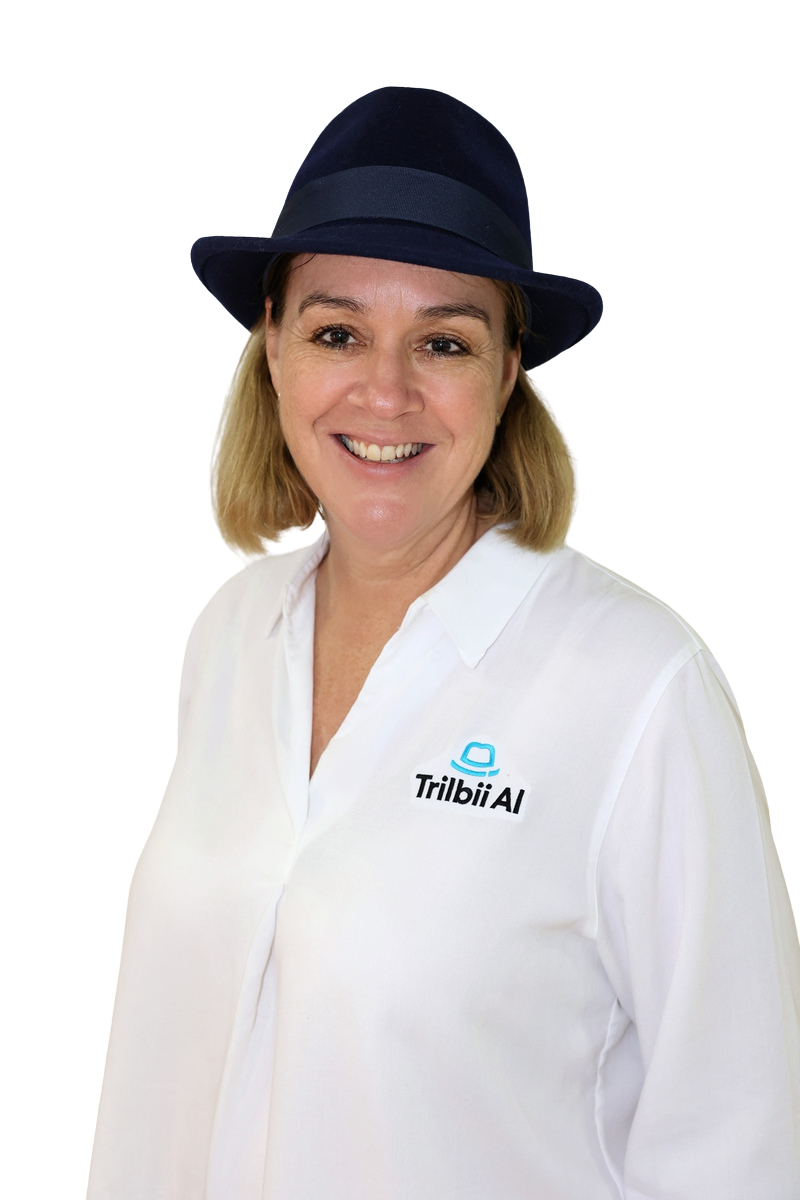
How to get more patients is the question most dental practice owners ask me, and it was the focus of the Promotion session of the Dental Marketing Masterclass with Practice Success by evoke. On Wednesday 23 September I joined Dr Namita Gupta, Josh Rimmington and host Brendan Rogers to talk through where new patients come from, what it costs to attract them, and what happens inside the practice once they make contact.
Many in the audience were planning or opening their first practice, so the conversation stayed practical. These are the eight points I shared, with some of the context from the night.

1. Know your numbers before you spend more on marketing
I’m a mathematician by training, so this is where I always start. Before deciding where to spend more, understand where your patients come from, which channels convert and what is producing a return. That means tracking how many calls come in, how many become booked appointments, how many patients rebook and how many accept their treatment plans. Those numbers show you where the gaps are, and they often point somewhere other than the marketing budget.
Josh made a related point about the cost of acquiring a new patient. It varies widely between practices and locations, so the only figure that really helps is your own. Namita added that many practices don’t track what it costs to bring a new patient in at all, which makes it hard to judge whether a campaign is paying its way.
2. Fix phones, follow up and conversion before chasing more leads
When bookings slow down, the first call is often to the marketing provider to turn on the tap. More marketing won’t fix problems with phones, follow up, conversion or the patient experience. It sends more people into the same gaps. As Josh put it on the night, marketing amplifies whatever is already happening in the practice.
Responsiveness is a big part of this. I once worked with a practice that didn’t switch its phones on until 10.30 in the morning, and Namita shared how firmly she holds the line on phones being answered throughout business hours. If someone fills in a form, leaves an after hours voicemail or books online, get back to them quickly. Even an online booking deserves a call from a real person to welcome them.
It also helps to give patients several ways to get in touch: phone, online booking, forms, email and, for some, walking in the door. People communicate differently, and the practice should make each option easy.
3. Treat the whole patient journey as marketing
Marketing is often thought of as Google Ads or a website. I see it as every interaction a patient has with the practice: the ad, the website, the person who answers the phone, the clinical experience and the follow up afterwards. Each one builds the relationship or wears it down, and each one affects whether that patient recommends you. In my experience, word of mouth has always been one of the strongest sources of new dental patients.
AI has added a new stage at the front of that journey, which I spoke about at the ITI Congress Australasia earlier this year. Patients increasingly research practices and treatments with AI tools before they pick up the phone, and they arrive with more information and more questions. What you publish on your website, Google Business Profile and social channels shapes what those tools find, so it is worth being deliberate about it, ideally before the doors open. There is more on this in how patients find a dentist in 2026 and AEO for dental practices. Josh spoke about consistency across every touch point as the foundation of trust, and I agree with him.
4. Look after existing patients as well as new ones
Existing patients, rebooking and outstanding treatment are often the largest opportunity in a practice, and looking after patients you already have generally costs far less than finding new ones. It is worth asking when the practice last reviewed its outstanding treatment plans, or contacted patients who have drifted away.
Namita drew a distinction I liked: a full book and a valuable patient base are different things. A practice can be busy every day and still leave patients’ concerns unaddressed, simply because there isn’t time to listen and treatment plan properly. A few gaps in the book can give the team time to reactivate patients and follow up treatment plans.
5. Match your marketing strategy to your practice
Location, patient base, stage of growth, team and goals all affect what will work. For anyone opening a practice, the first questions are what makes you different and why you chose that suburb. Plenty of dentists in an area does not mean plenty of patients waiting for another one, and this is a competitive time to open or buy a practice. Budget comes next. Knowing what you can invest over the first three, six and twelve months makes any conversation with a marketing partner far more productive.
I shared a story from a few years ago. A Queensland practice knew exactly who its ideal patients were, empty nesters in specific suburbs, and then wanted to run a mouthguard campaign because the practice up the road had just run one. What suits a competitor rarely suits your own goals.
6. Use AI to solve a real problem in the practice
The same pattern shows up with AI. Practices feel they should adopt something because a colleague has. A better starting point is the repetitive work, admin burden or bottleneck you want to improve. Choose one problem, find a solution that fits your workflow and is easy for the team to use, then measure whether it helps. Namita recommended focusing on one or two changes at a time, because every new system asks something of the team while they learn it.
An audience member asked how to tell whether a dental AI tool is safe to use. With general AI tools such as ChatGPT, Claude or Gemini, assume anything you enter could be used to train the model, and never enter identifiable patient information. For AI tools built for dental practices, the responsibility for checking sits with the practice. Ask where patient data is stored and processed, whether it stays in Australia, how each practice’s data is kept separate, and what security testing, including penetration testing, the provider has completed. Namita suggested that integration with an established practice management system is a useful signal. If a provider can’t answer these questions clearly, keep looking. The five checks before you sign with any dental AI vendor covers this in more detail.
7. Use AI to give your team more time with patients
This is the reason I’m interested in AI for practices. If technology can take on repetitive admin, such as sorting the morning’s emails so the team can see which ones are from patients and what they need, your people have more time for patients. The aim is to support the team and give them back time for the conversations that matter. For practical examples, see five places AI can reduce the administrative load in your dental practice.
8. Measure, test and adjust
Marketing and growth aren’t set and forget. Know what is working, change what isn’t, and come back to the numbers regularly rather than waiting for gaps to appear in the book.
AHPRA advertising guidelines: check before you promote
This topic comes up at every session I speak at. The advertising requirements for health services are detailed, and many practice websites include wording that may need attention: phrases such as “perfect smile”, “best dentist in [suburb]” or claims about improving confidence, missing practitioner registration numbers, or prices that don’t reflect how much treatment can vary. Dental practices should be familiar with Ahpra’s Guidelines for advertising a regulated health service and, where relevant, the guidelines for advertising higher risk non-surgical cosmetic procedures, which the Dental Board of Australia has also published guidance on. Our plain English guide to the AHPRA advertising rules for dental practices is a good place to start.
Josh made the point that the guidelines exist to protect patients from unrealistic expectations, and that working within them tends to make marketing clearer. Namita sees them as a chance to stand apart from competitors who take shortcuts. Knowing the rules and reviewing your materials regularly, online and in the practice, is far easier than responding to a letter after the fact.
At Trilbii we built AHPRA advertising checks for this reason. Website and marketing content is screened against the advertising guidelines and practice guardrails, and anything that may need attention is flagged for the practice’s review before publication.
Frequently asked questions
How can a dental practice get more new patients?
Start with your own numbers: where patients come from, how many enquiries become bookings and how many accept treatment. Fix any gaps in phones, follow up and patient experience first, then invest in the channels that are already converting. Looking after existing patients through rebooking and outstanding treatment plans is often the most cost effective growth available.
Why isn’t more marketing bringing in more patients?
Often the issue sits inside the practice rather than in the marketing. Unanswered calls, slow replies to online enquiries, limited appointment availability and a patient experience that doesn’t match the advertising can all stop enquiries becoming appointments. More marketing sends more people into those same gaps.
What should a dental practice track to measure marketing?
Useful measures include enquiries by source, call answer rates, enquiry to booking conversion, cost to acquire a new patient, rebooking rates and treatment plan acceptance. Your practice management system can usually break down new patients by source and service.
Is it safe to put patient information into ChatGPT?
No identifiable patient information should go into general AI tools such as ChatGPT, Claude or Gemini, because anything entered may be used to train the model. For dental AI tools, ask the provider where patient data is stored and processed, how each practice’s data is kept separate and what security testing they have completed.
What wording should dental practices review under the AHPRA advertising guidelines?
Common examples include superlatives such as “best dentist”, promises of a “perfect smile”, claims about improving confidence, testimonials about clinical outcomes, and prices that don’t reflect how treatment can vary. Ahpra’s advertising guidelines set out the full requirements.
Watch the replay
Thank you to Josh, Namita and Brendan for such a practical conversation, and to the Practice Success team for hosting. We could have kept going for hours. If you missed it live, you can register to watch the replay. The final session, on process, ran on Wednesday 30 September.
About the author
Carolyn S Dean is the Founder and CEO of Trilbii AI, with more than 20 years in marketing, the last decade specialising in dental and healthcare. She has worked with more than 500 practices across Australia and New Zealand and is the author of Fully Booked: Dental Marketing Secrets for a Full Appointment Book.
Sources
AI should make your team more human, not less. If technology can take repetitive work away, your people have more time for patients.
Carolyn S Dean, Founder and CEO, Trilbii AI
From the Practice Success Dental Marketing Masterclass, September 2026.