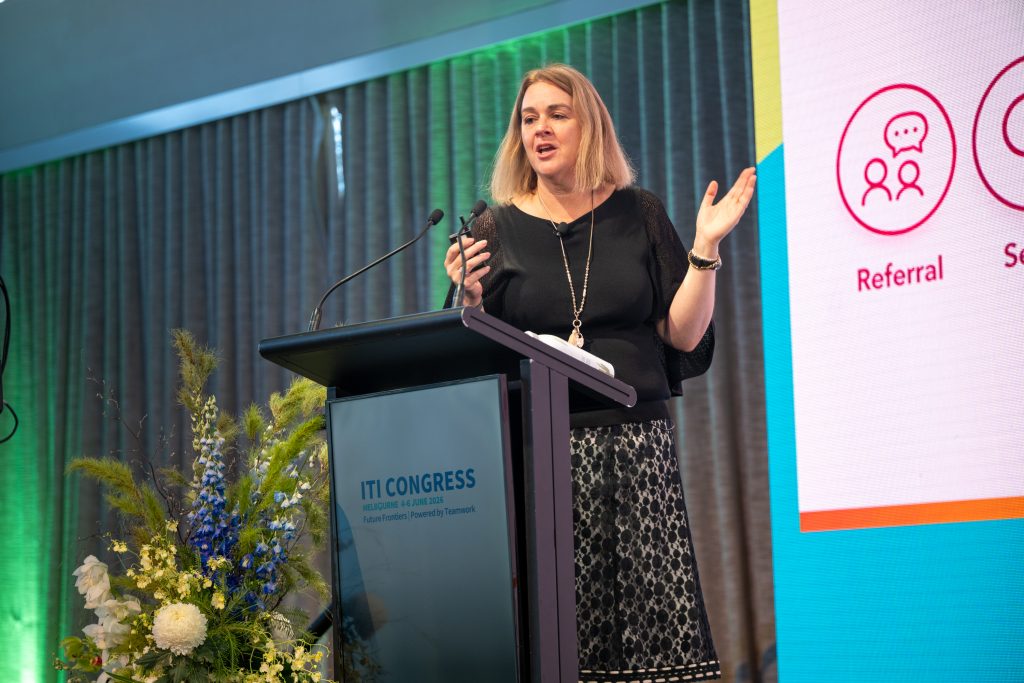
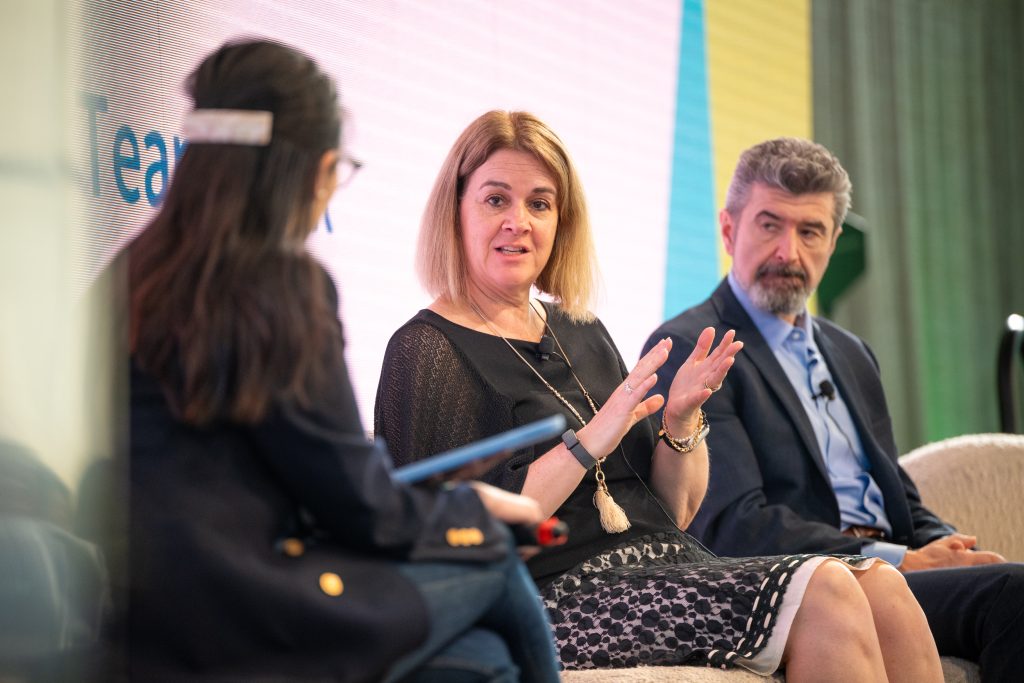
I spoke at the ITI (International Team for Implantology) Congress Australasia 2026 in Melbourne on a subject the dental industry can no longer afford to leave to the marketing team: how AI is changing the patient journey before a patient ever picks up the phone.
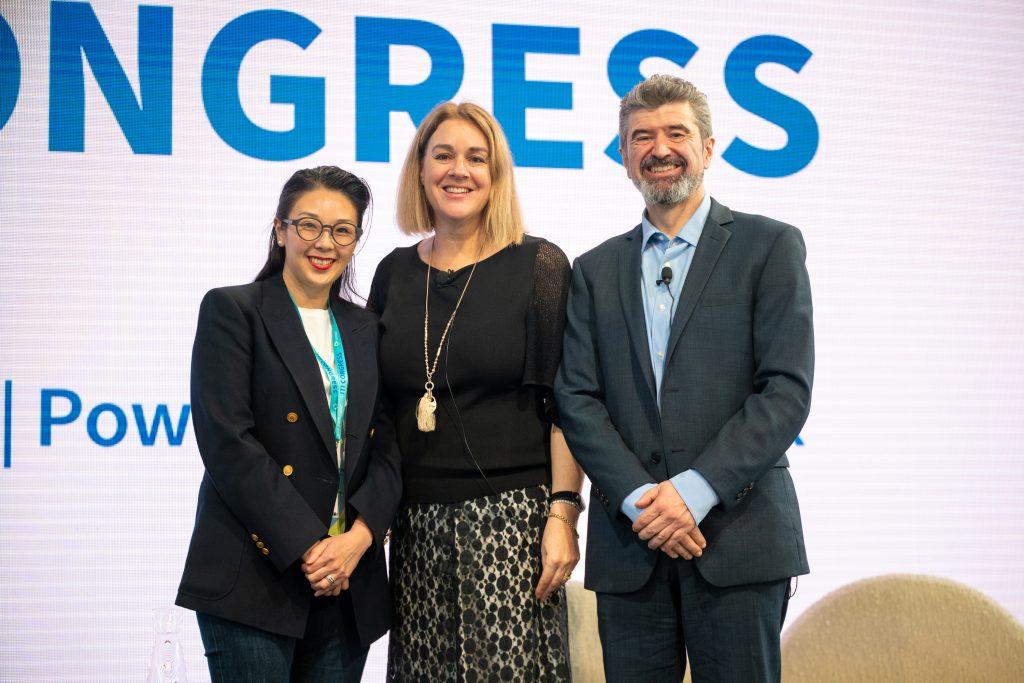
The session was facilitated by Janice Kan, and I shared the stage with Prof Sašo Ivanovski. Here is what I covered, and what I would want every implant clinician to take from it.
The decision does not start at the consultation
By the time a patient sits in your chair, most of the decision has already been made.
They have searched. They have read reviews. They have looked at your website on a phone, scrolled your social media, read a forum thread from someone who had the same treatment, and increasingly they have asked an AI tool to summarise all of it for them. That work happens quietly, over weeks, and you see none of it.
For implant dentistry and other high trust treatments, this matters more than it does anywhere else in the practice. The patient is weighing up cost, risk, permanence and the clinician personally. They are not comparing prices. They are deciding who to trust with something they cannot undo.
How AI is changing the way patients search and compare
Search used to give patients a list and leave the comparing to them. AI tools do the comparing first and hand back an answer.
That changes what your online presence has to do. It is no longer enough to appear. Your content has to be clear enough that a machine can read it, summarise it accurately and represent you fairly to someone who will never see the original page. If your site says little, says it vaguely, or buries it in images, the summary a patient receives is thin, generic, or simply about somebody else.
The uncomfortable part is that you do not get to review that summary before the patient reads it.
Findable, understandable, trustworthy
Those three words carried most of the session, and they are worth separating.
Findable. Can a patient and a machine both locate you for the treatment you actually want to be known for, in the place you actually practise.
Understandable. Can the content be read plainly, by a patient and by a summariser. Clear language about the treatment, the process, the recovery, the cost range and who it suits. Jargon is not authority.
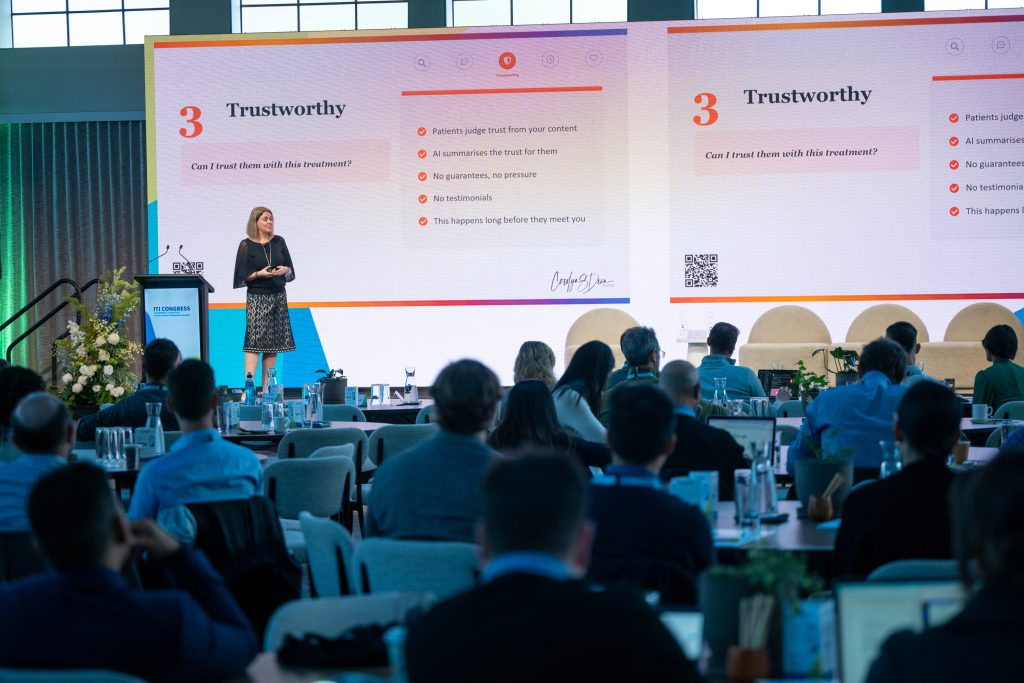
Trustworthy. This is the one clinicians underestimate. Patients judge trust from your content long before they meet you. Under the advertising rules there are no guarantees, no testimonials and no pressure available to you, which sounds like a limitation and is in fact the whole opportunity. Clarity, consistency and honesty about what a treatment can and cannot do are the trust signals you have left, and they are the ones that survive being summarised.
Response time is part of the clinical impression
A patient enquiring about implants is usually enquiring at more than one practice. The practice that answers first is very often the practice that gets the consultation, regardless of who is the better clinician.
Patients do not experience a slow reply as a busy team. They experience it as an answer about what care will feel like later. That is unfair and it is also entirely consistent.
This is where I am most direct with practices. Response time is not a marketing metric. It is the first piece of clinical experience a patient ever has with you.
Where automation helps, and where it does not
Automation earns its place in the repetitive, predictable work that quietly slips when a team is busy. Acknowledging an enquiry immediately. Recalls. Reminders. Follow up after a consultation. Drafting the newsletter that never gets written. Keeping the practice visible in a consistent voice.
It does not belong anywhere near clinical judgement, and it does not belong in an unreviewed conversation with a patient about their own treatment. Drafted, reviewed, then sent. A person decides what a patient sees.
Why the human element matters more, not less
The more the early stages of the patient journey are handled by machines, the more the human parts have to count.
When AI is doing the comparing, the searching and the summarising, what actually separates one practice from another is the consultation, the explanation, the honesty about risk, and the way your team makes someone feel at the point they are most uncertain. AI raises the floor on presence and consistency. It does nothing at all for the ceiling. The ceiling is still you.
That was the closing point of the session, and it is the one I would keep if I had to lose all of the others. This is not a technology conversation. It is a patient journey conversation.
Thank you
Thank you to Janice Kan for facilitating, to Prof Sašo Ivanovski for a conversation that pushed the topic further than a solo session ever could, and to the ITI for putting this on the programme at all. A congress built around implant science making room for the patient journey before the consultation says something good about where the profession is looking.
The slide deck and workbook
I have a copy of the slide deck and the accompanying workbook available for anyone who would like to work through it with their own team. Send me a message on LinkedIn and I will happily share it.
Related reading: how to tell whether an AI writing tool is safe for your practice.
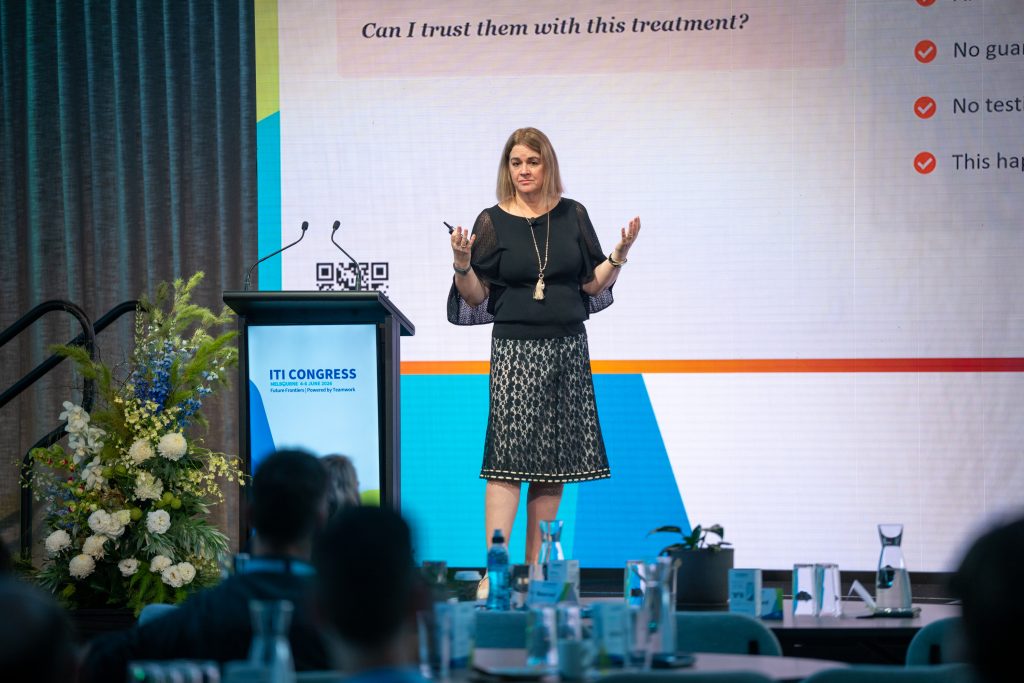
Patients judge trust from your content long before they meet you. By the time they sit in your chair, most of the decision has already been made.
Carolyn S Dean, Founder, Trilbii AI
From the session on AI and the patient journey at the ITI Congress Australasia 2026, Melbourne, facilitated by Janice Kan with Prof Sašo Ivanovski.