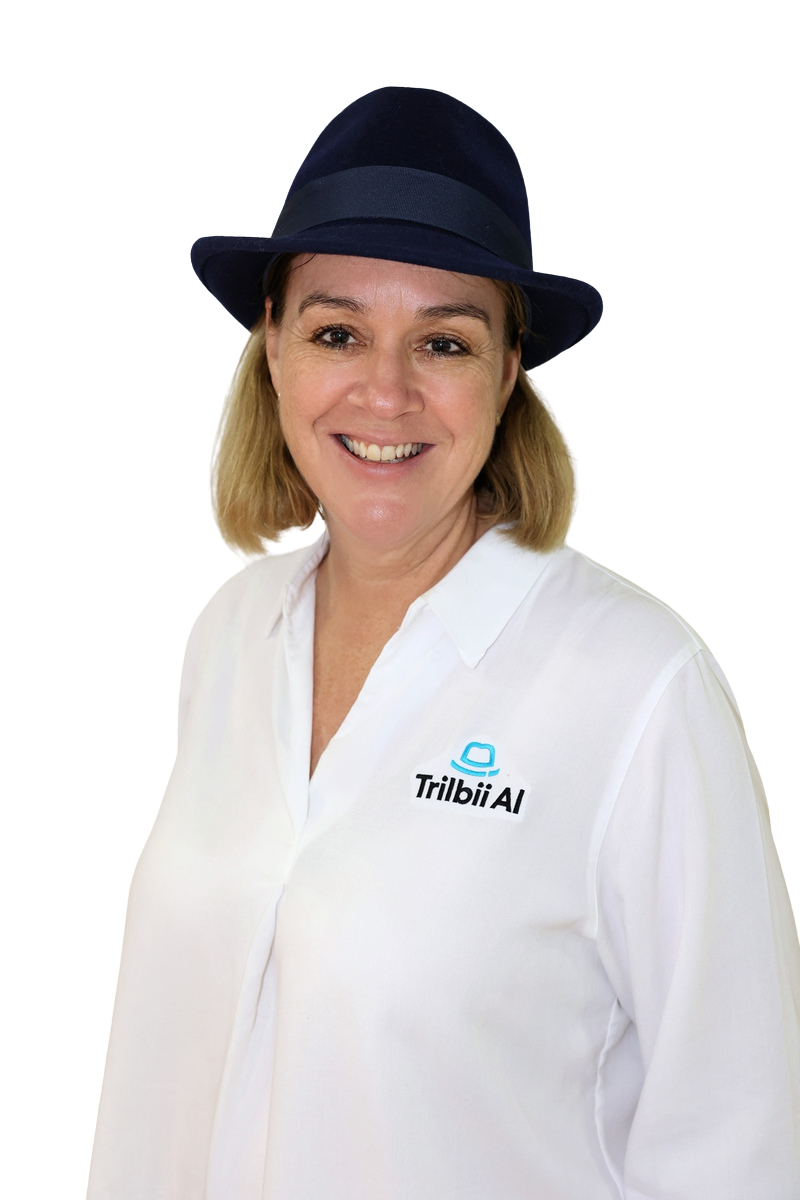
By Carolyn S Dean, Founder and CEO, Trilbii AI
Dental practices are now offered AI for almost everything: reading radiographs, drafting clinical notes, answering the phones and writing social posts. Some of that software is regulated by the Therapeutic Goods Administration as a medical device, and some is not. Knowing which is which helps you ask vendors the right questions and understand where your own responsibilities sit.
The short answer
The TGA regulates software, including AI, as a medical device when its intended purpose is therapeutic, such as diagnosing, monitoring, predicting or treating a disease or condition. Radiograph analysis software usually falls into this group. Practice administration software, such as scheduling and billing, is generally excluded from TGA regulation, and marketing tools have no therapeutic purpose. AI scribes sit in between: the TGA says scribes that only record, transcribe and summarise are not medical devices, while scribes that suggest diagnoses or treatments are. Whatever the tool, practitioners remain responsible for how they use it.
In brief:
- Likely a medical device: AI that analyses images or data to support diagnosis or treatment
- Depends on its functions: AI scribes
- Generally outside TGA regulation: practice administration, communication, marketing and operations software
When is software a medical device?
Under section 41BD of the Therapeutic Goods Act 1989, software is a medical device when it is intended for a therapeutic purpose, such as diagnosing, monitoring, predicting, providing a prognosis for, treating or alleviating a disease, injury or disability. The TGA’s software and artificial intelligence hub explains how it applies this to software and AI.
Intended purpose is judged from the whole product: its labelling, instructions for use, advertising, website and how it is designed and presented to users. The TGA’s guidance on digital scribes makes the point clearly. A general disclaimer such as “not for diagnosis” does not by itself make a product something other than a medical device if it makes medical claims or includes medical device features.
Medical devices must be included in the Australian Register of Therapeutic Goods (ARTG) before they are supplied in Australia, unless they are exempt.
Software that is excluded
The Therapeutic Goods (Excluded Goods) Determination 2018 lists 15 categories of software that are excluded from TGA regulation, as summarised on the TGA’s software exclusions page. Categories relevant to dental practices include health facility management software (administration such as scheduling and billing), clinical workflow management, communications software, electronic health records, image storage and transmission, and patient survey software.
Excluded software is not regulated by the TGA and is not included in the ARTG. The TGA notes that where software has several functions, every function must meet the exclusion criteria.
Software that is exempt
Some clinical decision support software is a medical device but exempt from inclusion in the ARTG. The TGA’s guidance on clinical decision support system software sets the conditions. In summary, the software must only provide recommendations to a health professional without replacing their clinical judgement, must not analyse images or signals from another medical device, and must show how each recommendation was generated. Exempt software is still a regulated medical device, and the supplier has obligations to the TGA.
How common dental AI tools compare
| Type of tool | Typical TGA position | What to check |
|---|---|---|
| Radiograph and imaging analysis | Likely a medical device, because it analyses images to support diagnosis | ARTG entry and the vendor’s regulatory statement |
| AI scribes that record, transcribe and summarise | Not a medical device, according to TGA guidance | Whether newer features suggest diagnoses or treatments |
| AI scribes with diagnostic or treatment suggestions | Likely a medical device | ARTG entry or CDSS exemption |
| Practice management: scheduling, billing, records | Generally excluded | Any AI features that make clinical suggestions |
| Marketing, review responses, operations manuals, advertising checks | No therapeutic purpose | Privacy, data storage and the advertising guidelines |
| General AI chatbots | Depends on how they are used and promoted | Keep them out of diagnosis and treatment decisions and keep patient information out of them |
Our guide to AI tools for dental practices lists examples in each category.
How to check the ARTG
Search the ARTG using the manufacturer’s name as it appears in the product’s instructions for use. Excluded and exempt products will not appear, so a missing entry is a prompt for a conversation with the vendor rather than an answer on its own. Ask the vendor for its ARTG number or a written statement of the product’s regulatory status, and keep it on file.
What the TGA’s 2026 digital scribe review found
On 16 October 2026 the TGA published the outcomes of its review of digital scribes. It identified around 100 suppliers in Australia and looked closely at 12 products. None of those suppliers had identified their product as a medical device. On the TGA’s assessment, eight included functions likely to meet the definition of a medical device, two needed more information, and two appeared unlikely to be medical devices.
The TGA was clear about the limits of the review. It did not test the products or assess their safety or privacy, and it noted that the findings do not mean all digital scribes are medical devices. It plans further guidance and targeted compliance activity. The review followed the TGA’s 2024 consultation on clarifying and strengthening the regulation of AI, which flagged digital scribes for closer attention. Our guide to AI scribes in a dental practice covers what this means day to day.
Your obligations, whatever the tool
TGA status is only one part of the picture. Ahpra’s guidance on meeting your professional obligations when using AI in healthcare sets out principles that apply to every practitioner:
- Accountability: the practitioner remains responsible for the care provided and applies their own judgement, even when a tool is TGA approved.
- Understanding the tool: its intended use, limitations, and where data is stored and how it is used.
- Transparency: telling patients when AI is used in their care.
- Informed consent: involving patients where AI uses their information.
- Ethical and legal issues: privacy, bias, and the TGA and state requirements.
The Dental Board of Australia points dental practitioners to these principles in its September 2024 newsletter. The Australian Dental Association’s Policy Statement 6.34 on Artificial Intelligence in Dentistry adds expectations about governance, data privacy and practitioner review of AI output. The OAIC’s guidance on commercially available AI products covers the privacy side.
Questions to ask any AI vendor
- What is the product’s intended purpose, in writing?
- Is it included in the ARTG, exempt or excluded, and why?
- Does any feature suggest diagnoses, treatments or investigations?
- Where is our data stored and processed, and is it used to train models?
- How are new features assessed before they are released?
Where Trilbii fits
Trilbii is built for the non-clinical side of the practice. Its tools are designed for marketing, operations and AHPRA advertising work rather than diagnosis or treatment, and clinical decisions stay with your practitioners and your clinical systems.
In Trilbii: create social posts and blogs in your practice’s tone of voice, respond to Google reviews, search your practice manuals, policies and SOPs for answers with references back to the source document, and screen marketing against the AHPRA advertising guidelines, with anything that may need attention flagged for your review. Your AI policy and vendor records can sit in your operations manual, where the team can find them. See AI for dental practices.
To see it working on your own content, book a personalised demo.
Founding practice offer: for the first 20 practices, Trilbii is $497 per month + GST for as long as you remain continuously subscribed, with the onboarding fee waived and no lock in contract.
Frequently asked questions
Software that is intended to diagnose, monitor, predict or treat a disease or condition is regulated by the TGA as a medical device, which commonly includes radiograph analysis software. Administrative software such as scheduling and billing is generally excluded, and marketing tools have no therapeutic purpose.
It depends on what they do. The TGA says scribes that only record, transcribe and summarise what the practitioner said are not medical devices. Scribes that suggest diagnoses, treatments or investigations are likely to be medical devices. In its October 2026 review, the TGA found eight of 12 products it examined included functions likely to meet the definition.
Search the ARTG on the TGA website using the manufacturer’s name as it appears in the instructions for use. Excluded and exempt products will not appear, so ask the vendor for a written statement of the product’s regulatory status.
Yes. Ahpra’s guidance says practitioners remain responsible for the care they provide and must apply their own judgement to AI output, whatever the tool’s regulatory status.
Related reading
- Using AI scribes in a dental practice
- AI tools for dental practices in Australia
- Clinical AI vs practice AI in dentistry
Sources
- TGA, Software and artificial intelligence (AI)
- TGA, Software-based medical device exclusions
- TGA, Understanding clinical decision support system software regulation
- TGA, Digital scribes and Digital scribe review outcomes, 16 October 2026
- TGA, Clarifying and strengthening the regulation of AI and Australian Register of Therapeutic Goods
- Ahpra, Meeting your professional obligations when using AI in healthcare
- Dental Board of Australia, September 2024 newsletter
- Australian Dental Association, Policy Statement 6.34: Artificial Intelligence in Dentistry
- OAIC, Guidance on privacy and the use of commercially available AI products
This article is general information, not legal or regulatory advice. Last reviewed 28 October 2026.

Intended purpose decides whether software is a medical device, judged from what the product does and how it is presented.
Three questions to ask
- Does it suggest diagnoses or treatments?
- Is it on the ARTG, exempt or excluded?
- Where is the data stored and used?
Available now
- Marketing: social posts, blogs and Google review responses
- Operations: searchable manuals, policies and SOPs
- AHPRA advertising checks for posts and websites
Founding practice offer: $497 per month + GST for the first 20 practices, onboarding fee waived, no lock in contract.