Dental practices are being asked to handle more marketing, more admin, more advertising requirements and more systems than ever, with the same number of hours in the day. That was the starting point for Beyond ChatGPT: How AI Is Changing the Way Dental Practices Run, the webinar I presented for AIDA members on Wednesday 7 October.
My central point was simple. AI should take work off a stretched practice team. It should never become one more thing for them to manage. Here is what we covered.
Start with the problem
Nobody can keep up with every new AI model and tool, including people who work in AI full time. So I suggested a different approach: pick a specific problem in the practice, then look for a tool that fits it. That keeps the focus on time saved and keeps the team from chasing every announcement.
Guardrails for general AI tools
General tools such as ChatGPT are useful, and they are also not a safe place for patient, clinical or confidential business information. Three guardrails came up again and again:
- Remove identifying details from anything you enter into a general AI tool.
- Check every output. These tools are designed to give an answer, so they can produce something plausible and wrong when they lack information.
- Accountability stays with the practitioner. Registration is individual, and anything you publish or send is yours, however it was drafted.
I also named three things AI should leave to people: clinical judgement, relationships with patients and the team, and professional accountability.
Practical places to start
Practice photography. I prefer editing real practice photos to creating artificial ones. AI editing can add an assistant to a well lit treatment room photo or extend the life of a professional shoot, while patients still see the real practice and the real team.
Video and other languages. I played two AI avatar videos of myself, one speaking Mandarin. The technology has improved a great deal. I would keep avatars off a practice website, and I see a real opportunity in selected patient communication, such as a clinician explaining aftercare in a patient’s own language.
Better prompting. Give the tool a role, context about the practice, the task, the format you want and any constraints. More context generally gives better results, although general tools still struggle with a practice’s tone, clinical accuracy and the advertising guidelines.
Data analysis. High level, deidentified figures from your practice management or accounting system can be turned into analysis and charts in minutes.
Voice and research tools. I showed Wispr Flow for speaking instead of typing, and Google’s NotebookLM for turning a pile of documents, recordings and transcripts into summaries, slide outlines and audio overviews.
Live AHPRA advertising checks
The most engaged part of the evening was checking real website copy live, including pages from a practice whose owner kindly volunteered. Phrases that were flagged for review included:
- “Achieve a confident new smile” and “a tremendous boost to your self esteem”, which link treatment to psychological benefit
- “Dazzling smile”, “brilliant white smile” and “gorgeous Hollywood smile”
- “World renowned implants to achieve the best results”, where a clearer alternative is “We use high quality implants to support your dental restoration”
- Consultation offers without clear terms and conditions
The Ahpra advertising guidelines, together with the newer guidance on advertising higher risk non surgical cosmetic procedures, are particularly sensitive to language about self esteem, embarrassment and appearance. Our plain English guide to the AHPRA advertising rules for dental practices is a good place to start.
Where Trilbii fits
I finished by showing Trilbii, the platform my co-founder Anthony Middlemiss and I are building for the non clinical side of practice life: marketing, operations and AHPRA advertising compliance. Each practice is set up with its own approved clinical content, team bios, reviews, operations manuals and tone of voice, so drafts sound like the practice and stay within what it offers. We created a social post and a blog article live, and asked the practice’s operations manuals questions about training a new dental assistant and referring to a specialist.
AIDA members can still book a complimentary AI Practice Review, which includes an AHPRA advertising review of your website.
Thank you to AIDA for hosting, and to the members who volunteered their websites and asked such practical questions.
About the author
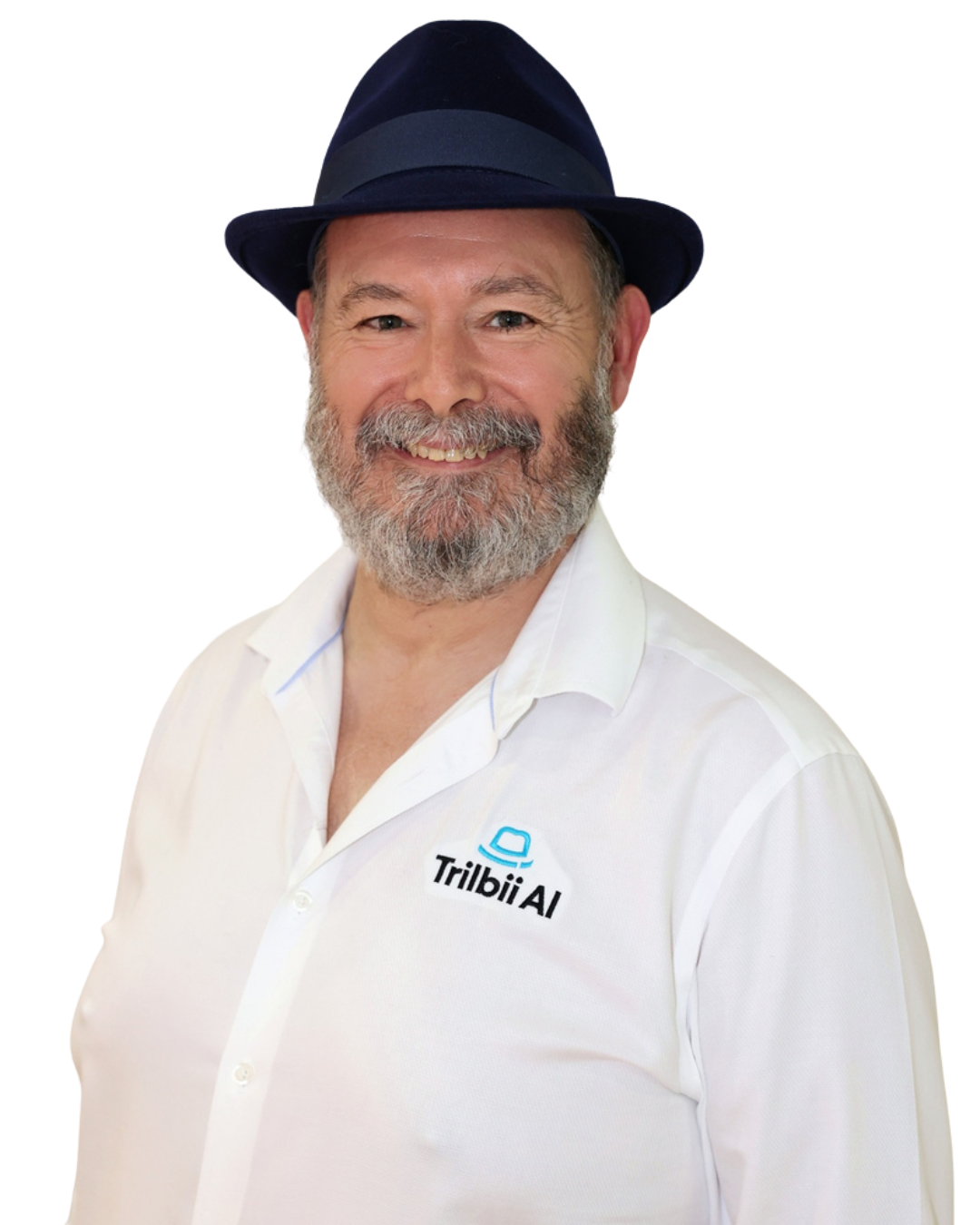
Carolyn S Dean is the Founder and CEO of Trilbii AI, with more than 20 years in marketing, the last decade specialising in dental and healthcare. She has worked with more than 500 practices across Australia and New Zealand and is the author of Fully Booked: Dental Marketing Secrets for a Full Appointment Book.
Sources
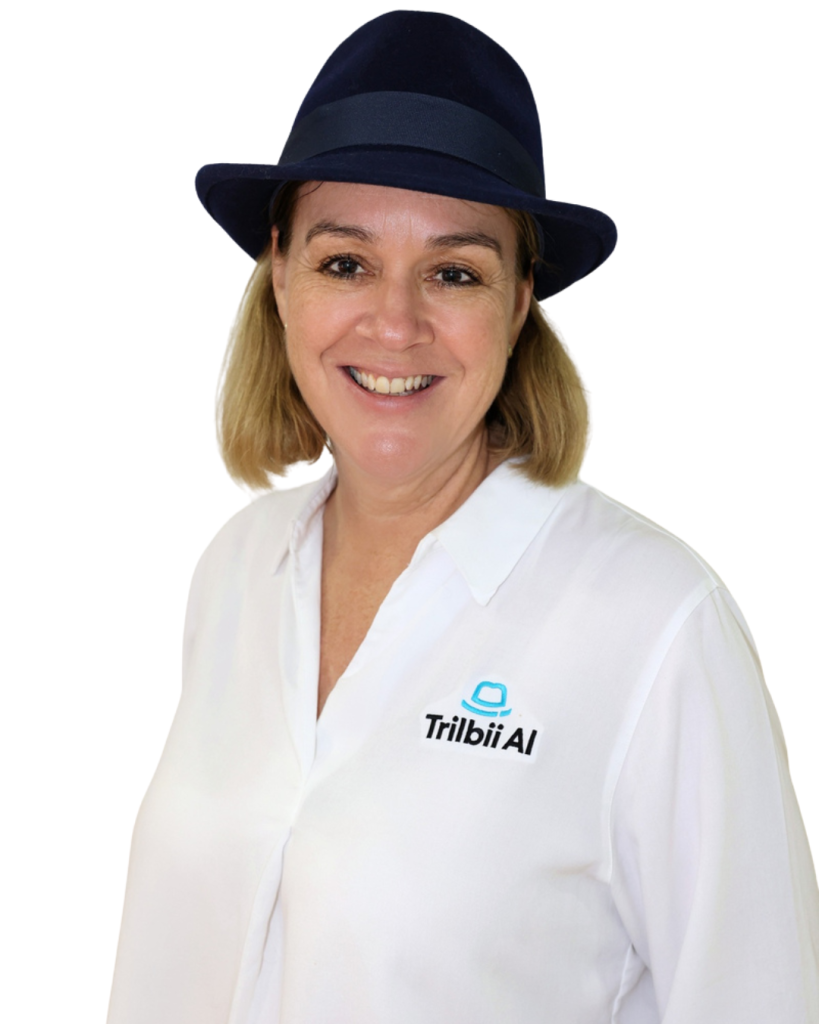
AI should take work off a stretched practice team. It should never become one more thing for them to manage.
Carolyn S Dean, Founder and CEO, Trilbii AI
From the AIDA webinar, Beyond ChatGPT, 7 October 2026.