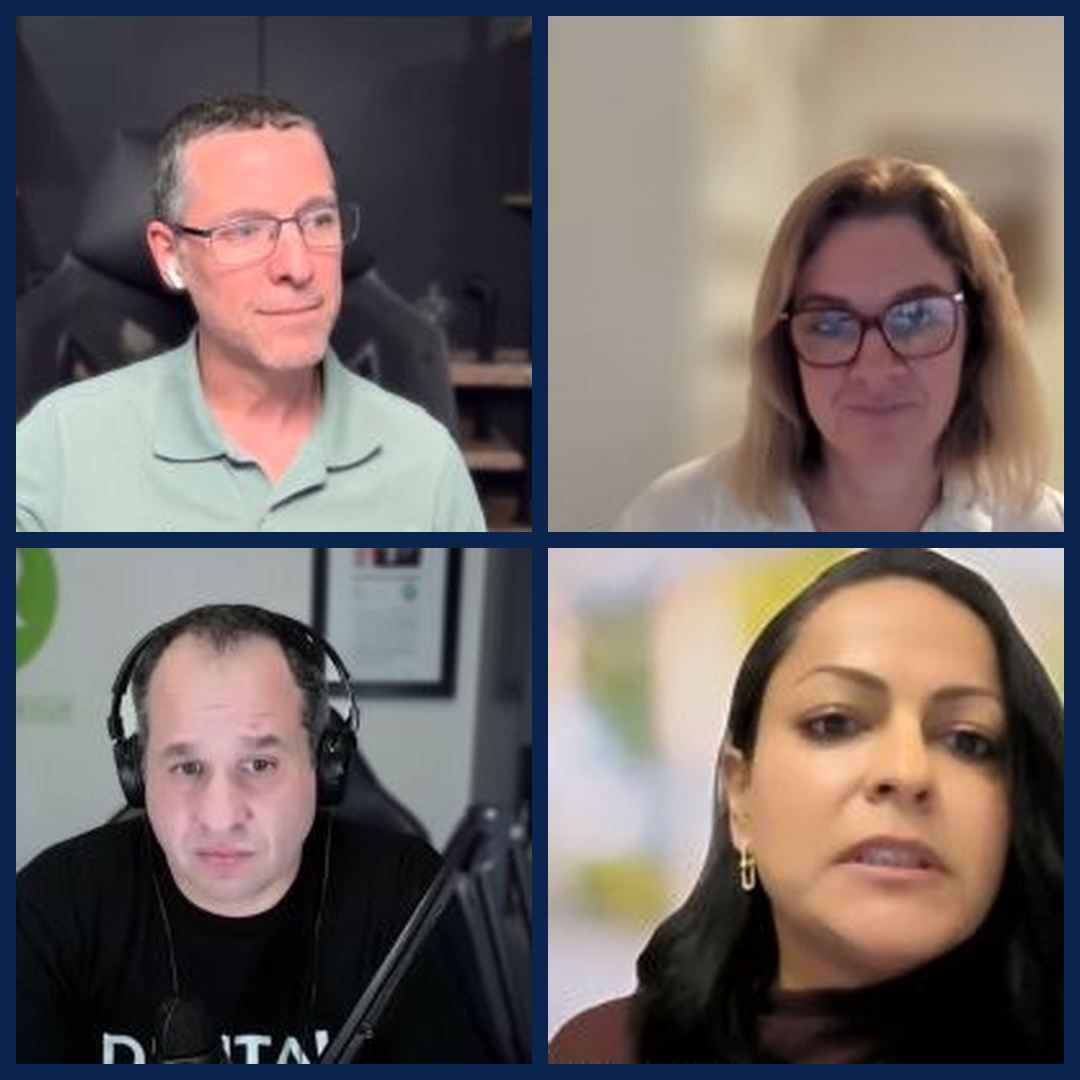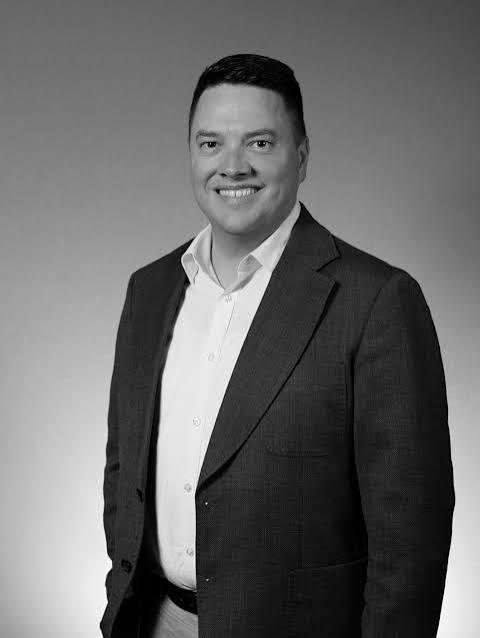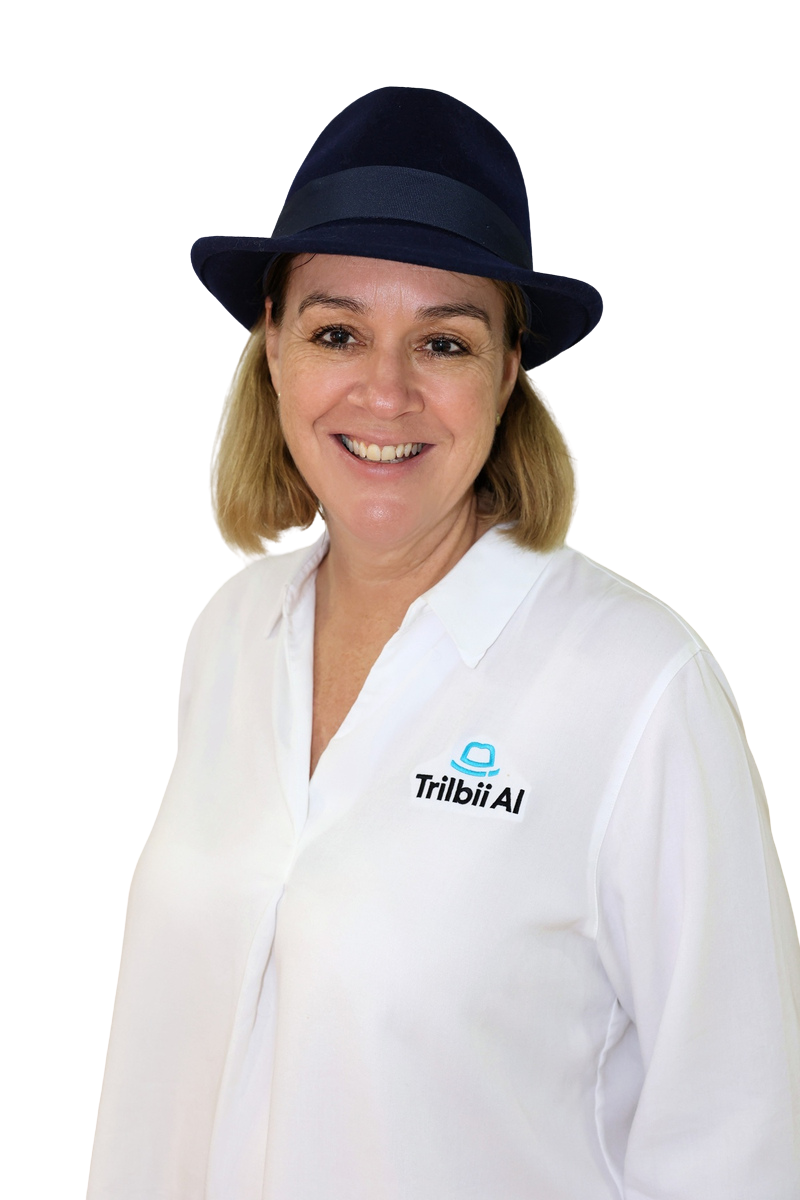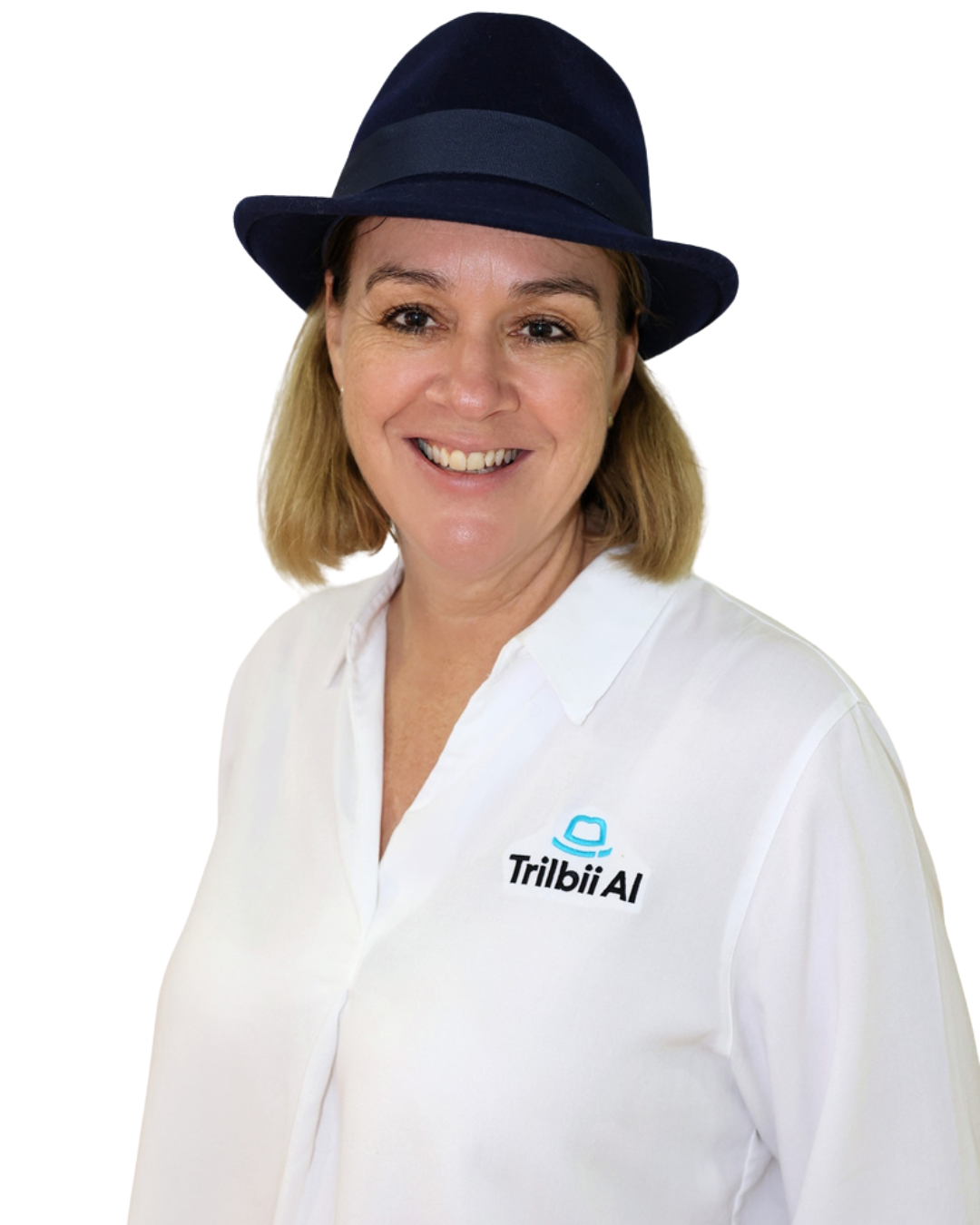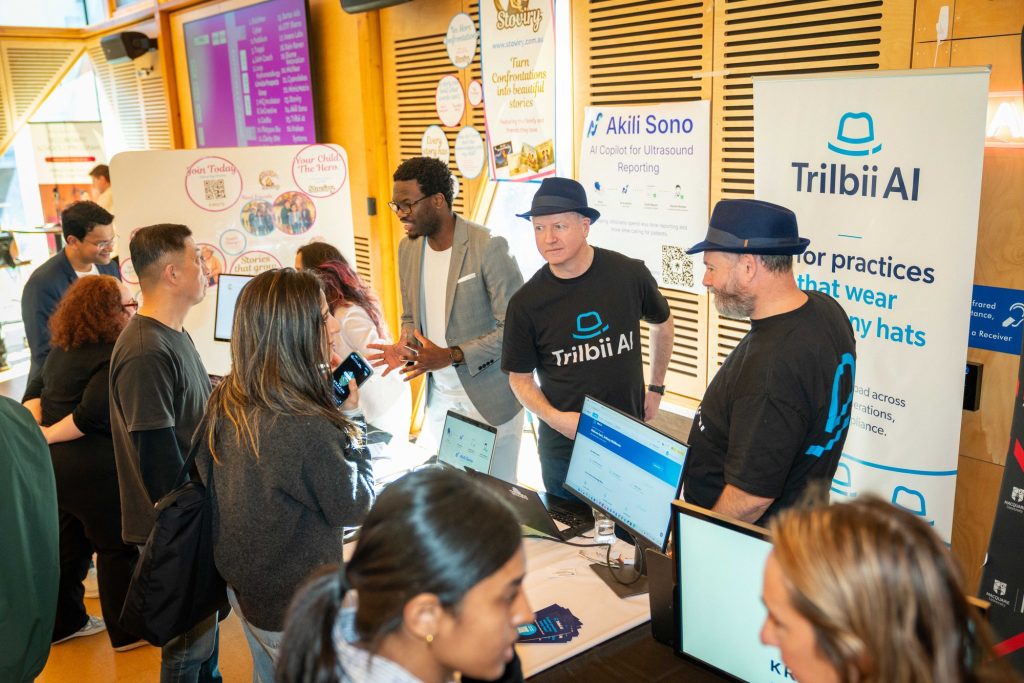
We set up a stand at the Macquarie University Incubator‘s Demo Day, alongside 25 other startups. Twelve teams pitched from the stage. The rest of us stood behind tables, answered questions, and tried to explain in about ninety seconds what we are building and why it matters.
It was a good day, and a useful one. Here is what we took away from it. If you missed the announcement, we wrote about Demo Day before it ran.
What Demo Day actually is
The Macquarie University Incubator runs a Demo Day as an open house rather than a closed investor event. Students, researchers, founders, staff and members of the wider Macquarie community walk through, look at what is being built, and talk to the people building it.
That mix is the point. A room of investors asks you about market size. A room of everyone asks you whether the thing you have made is any good, whether they would use it, and what happens when it gets something wrong. Those are harder questions and they are better ones.
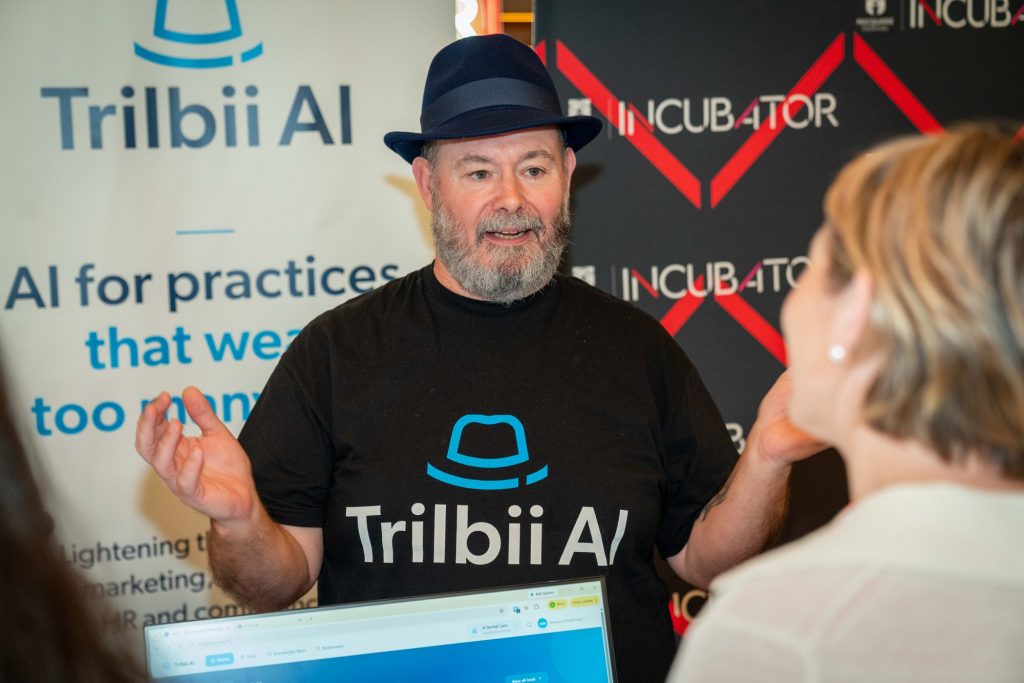
We did not bring slides
We showed Trilbii AI running on real practice content: the compliance checker reviewing a website against the AHPRA advertising guidelines, the knowledge base answering the sort of question a new team member asks in their first week, and content drafted in a practice’s own voice.
We did not show slides. A stand is not the place for them. If someone gives you two minutes, the fastest way to use it is to put the product in front of them and let them poke at it. The compliance side of that demo is the part people find hardest to believe until they see it, and we have written separately about what an AHPRA advertising breach actually costs.
The question we were asked most
Not how the AI works. People have stopped asking that.
The question that came up again and again was some version of: what happens when it gets it wrong?
That is the right question for healthcare, and it is the one we have built the product around, which we set out in more detail in what it takes to build AI for a regulated healthcare practice. Nothing Trilbii produces goes anywhere without a person reviewing it. The compliance checker shows you where the risk sits and explains why in plain language, and you decide what to change. Content is drafted, not published. A human stays in control of anything a patient will see.
Being asked that repeatedly, by people with no stake in dentistry, was a useful check. It suggests the concern is general rather than something practice owners alone worry about, and that answering it clearly is not optional. If you are weighing up a tool for your own practice, we have a short guide on how to tell whether an AI writing tool is safe to use.
Why dental
The second most common one was simply: why dental?
The honest answer is that dental practices sit in an awkward spot. They are small businesses carrying the regulatory obligations of healthcare. A five person practice has the same advertising rules, record keeping expectations and employment obligations as a much larger organisation, without a marketing department, an HR manager or a compliance officer to carry any of it. The practice owner does all of it, usually after hours, usually badly, and usually with a nagging sense that something has been missed.
That is a specific problem in a specific place, which is exactly the sort of problem worth building for. We have written about that gap at greater length in nobody teaches a dentist how to run a business.
What surprised us about the room
The breadth. Medtech, biotech, finance, SaaS, consumer apps, hardware. An AI copilot for ultrasound reporting on one side of us, a children’s storytelling platform nearby, a workplace wellbeing business, a surfboard company.
It is easy inside a startup to believe your particular problem is the interesting one in the room. Spending a day among 25 teams solving completely unrelated problems is a good corrective. It also makes the shared parts obvious. Nearly every founder we spoke to was working out the same things: how to explain the product in one sentence, how to find the first customers who will tell them the truth, and how to say no to features.
Why an incubator matters for a company like ours
Building AI for healthcare is slower than building AI for most other things. Every shortcut becomes a question about safety, privacy and whether a human is still in control. That is the right trade, but it is a lonely one when everyone around you is shipping weekly.
Being part of a community where other people are also building carefully, and where a conversation with someone in an unrelated field surfaces something you had not thought of, is worth more than it sounds on paper.
What is next
Trilbii is now available to dental practices across Australia, with a founding rate for the first 20 practices. Each practice is onboarded properly rather than handed a login. If your practice wears too many hats, that is who we built this for.
Thank you to everyone who stopped by the stand, to the teams who exhibited and pitched, and to the Macquarie University Incubator team for the ongoing support and for putting everyone in the same room.
Related reading: pitching Trilbii AI at the Incubator Pitch Final.
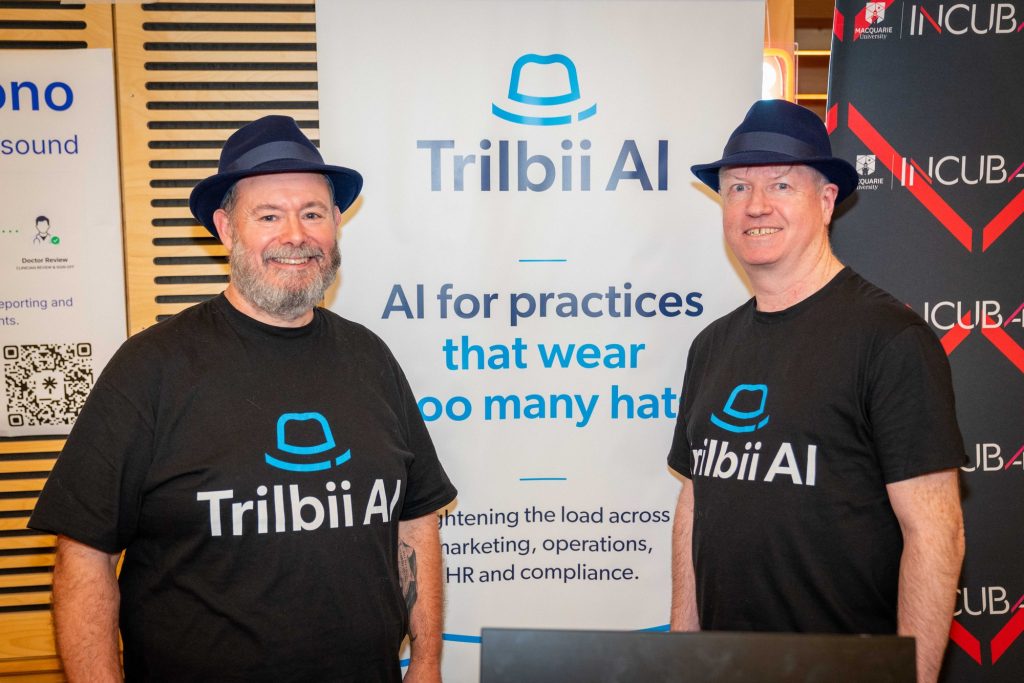
The question we were asked most was not how the AI works. It was what happens when it gets it wrong.
Trilbii AITrilbii AI exhibited at the Macquarie University Incubator Demo Day on 2 July 2026, alongside 25 other startups.