A dentist spends five years learning how to treat patients. They spend roughly none learning how to run the business that will employ them, market them, pay their staff and keep them on the right side of the regulator.
Then they buy a practice.
This is the least discussed problem in Australian dental and healthcare, and it is the one underneath almost every other problem a practice has.
The two people running your practice were trained for something else
Look at who actually holds a practice together.
The owner is a clinician. They bought or opened the practice because they wanted to work the way they thought was right, or because ownership was the obvious next step. Their training was clinical, and it was excellent. None of it was business training.
The practice manager is usually somebody who has been there a long time. They know the patients, they know the systems, they know where everything is and who to call. That is real and valuable knowledge. It is also almost never accompanied by formal training in business, marketing, human resources or compliance.
So the two people responsible for the commercial performance of a healthcare business have, between them, very little formal preparation for it. As Carolyn S Dean put it in a recent interview about why she founded Trilbii AI:
The practice owner and the practice manager typically aren’t business people. They don’t have the business training or they don’t have the marketing training.
And then:
They have to wear all of these hats. But they don’t have the skills. They don’t have the training.
That is not a criticism of either person. It is a description of how the industry is built.
The business model makes it harder, not easier
There is a second problem sitting underneath the first, and it is structural.
Running any business is difficult. Running a healthcare practice adds a constraint that most businesses do not have: to make the numbers work, the owner usually has to be in the surgery, seeing patients, all day, most days.
Running a business is hard. Full stop. But then imagine that you’re running a business, but to make it economically viable you have to, the owner has to see patients all day, every day, to make it financially viable. That is a very hard business model.
Think about what that means practically. The person accountable for marketing, hiring, compliance, cash flow and strategy is clinically occupied for the hours in which those things would normally get done. The business work moves to evenings, weekends and gaps between patients.
That is where the admin burden comes from. Not from there being an unreasonable amount of paperwork in absolute terms, but from there being no time in the week that was ever designed to hold it.
People are literally in your face
There is a common assumption, usually held by people who have never run one, that a dental practice is a fairly simple business. Patients need teeth looked after, the practice looks after them, money changes hands.
Carolyn’s answer to that is worth sitting with:
We’re not talking about selling a hat. Health is a very personal business.
People from the outside look at health, look at dental, and they think it’s a very easy business, where actually the complexities of treatment, that people are literally in your face.
The intimacy of the work changes the commercial rules. A patient has to feel comfortable enough with a clinician to let them work inside their mouth. That means the clinical team is not only a clinical decision, it is a retention decision. And the first contact almost always happens before anyone gets near the surgery:
If you don’t have the right people answering the phones, people won’t book in.
So the person on reception, who is often the lowest paid and least trained member of the team, is functionally the most important marketing asset the practice owns. Very few practices are structured as though that were true.
Compliance is the hat with the sharpest edges
Of all the hats a practice wears, the compliance one carries the most financial risk for the least visible benefit.
AHPRA’s advertising guidelines are specific. They are not only about broad claims; they are about particular words and particular phrases, and the rules are updated over time.
There are specific things that you can say and things you can’t say. So there’s words, there’s phrases that are against the advertising laws.
The penalties for advertising offences under the Health Practitioner Regulation National Law run into the tens of thousands of dollars. Check the current figures on AHPRA’s advertising hub before quoting a number, because the National Law was amended during 2025 and the penalty provisions were among the areas revised.
The point is not the exact figure. The point is the shape of the risk. Getting the wording right earns a practice nothing. Getting it wrong can be expensive. And no clinician running a full book of patients can reasonably be expected to hold every rule in their head, apply it consistently across a website written over several years by several different people, and keep doing that as the guidance changes.
It’s very hard to stay ahead of all of these individual rules.
That is not a discipline problem. It is a capacity problem.
Good practices are not problem free practices
Here is the finding that should change how practice owners think about this.
While researching what to build, Carolyn visited a practice that was working well. Good team, good patients, good systems, the kind of practice other owners would point to as an example. She spent half an hour asking about their problems and surfaced almost nothing.
Then she showed them what she was building.
This solves issues that we have, that we didn’t talk to you about.
No matter how good a practice is, there are still issues.
The practice had not been hiding anything. They simply had not named those problems, because the problems had become the background texture of the working week. Nobody complains about a thing they have decided is just how it is.
This is why asking your team “what problems do we have” so often returns a short and unhelpful list. People report the problems they have labelled. They carry the rest silently.
What to do this week
Not a plan. One thing.
Take an hour and write down every non clinical task that happened in your practice last week, and next to each one, write which hat it belonged to: marketing, operations, compliance, HR or finance. Then write who did it, and whether that person has ever had any formal training in it.
Most owners find two things. The list is longer than they expected, and one hat is quietly eating a disproportionate share of somebody’s week, usually the practice manager’s.
That single sheet of paper tells you more about where your practice is losing time than any software demonstration will.
About the source
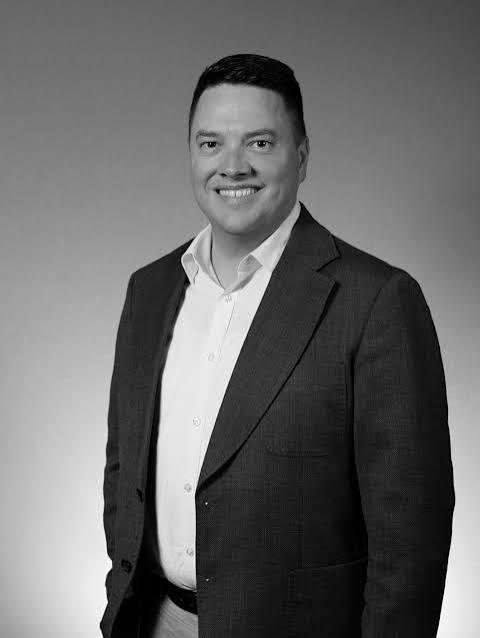
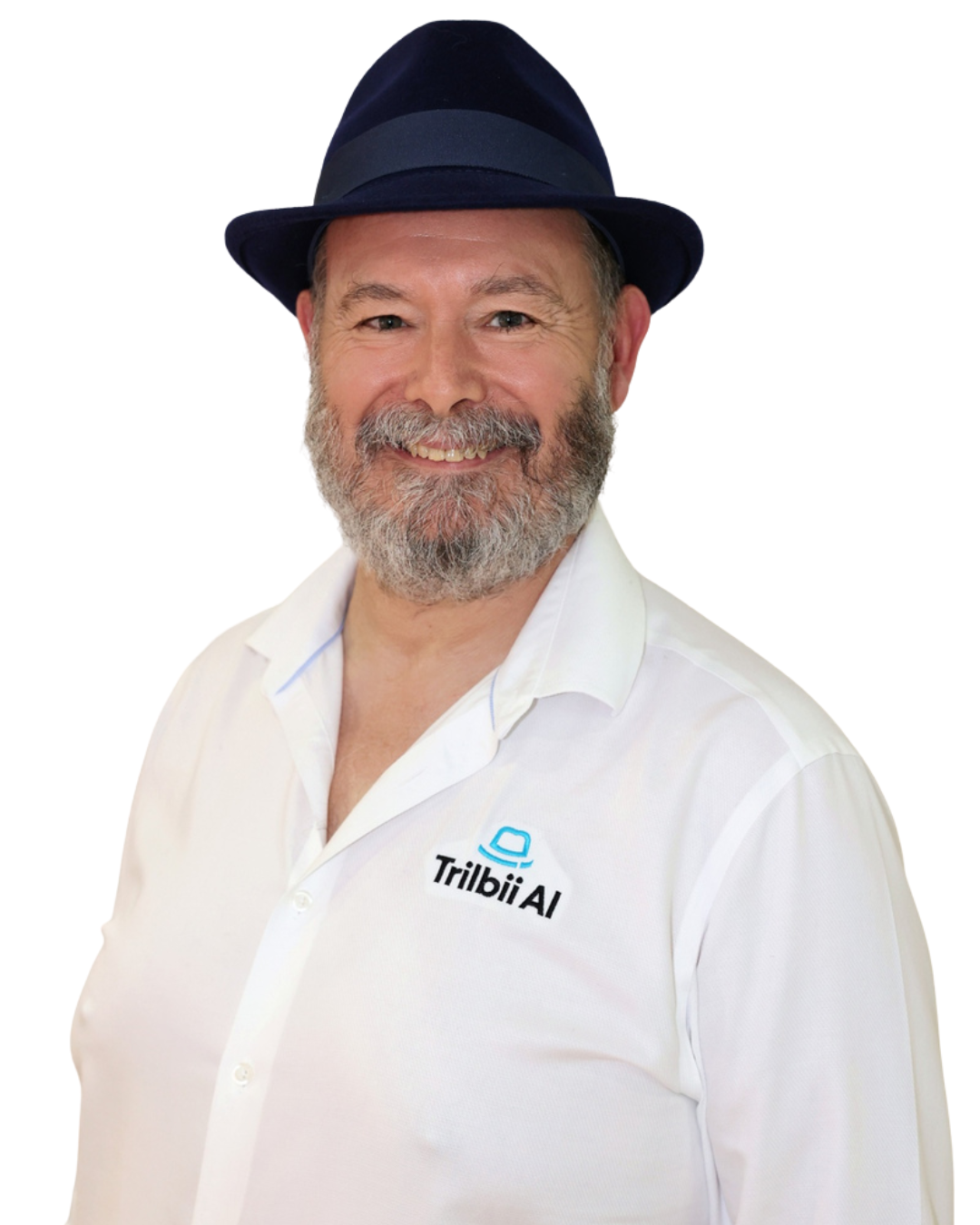
This article draws on an interview with Carolyn S Dean, founder of Trilbii AI, discussing why she founded the business and what she found while researching Australian dental and healthcare practices. Trilbii AI is building tools for the non clinical side of practice life: marketing, operations, compliance, HR and admin. Her co founder Anthony Middlemiss ran his own allied health practice for 20 years before selling it because of the overwhelm.
Questions practice owners ask
Because they were trained as clinicians, not as business people, and the business model requires them to see patients all day for the practice to be financially viable. The business work has no time in the week that was designed to hold it.
Usually they were promoted for tenure and practice knowledge rather than for formal business, marketing or HR training. That is a training gap, not a performance problem, and it is very common.
Specific words and phrases, not only broad claims. The guidelines are on AHPRA’s advertising hub, and they are revised over time, so a website checked once is not checked permanently.
Very likely. Practices that are performing well tend to have normalised their admin burden rather than eliminated it, so the problems do not come up when somebody asks what is wrong.
No. The approach Trilbii takes is human in the loop: the tool produces, a person checks, and the check is not optional, because AI can make mistakes and can make things up.
Watch it again
The full conversation is on YouTube: watch it here.
We are building Trilbii in conjunction with practices. If you want the problems in your practice to shape what gets built, we want to hear about them.
Related reading: why Trilbii AI exists.
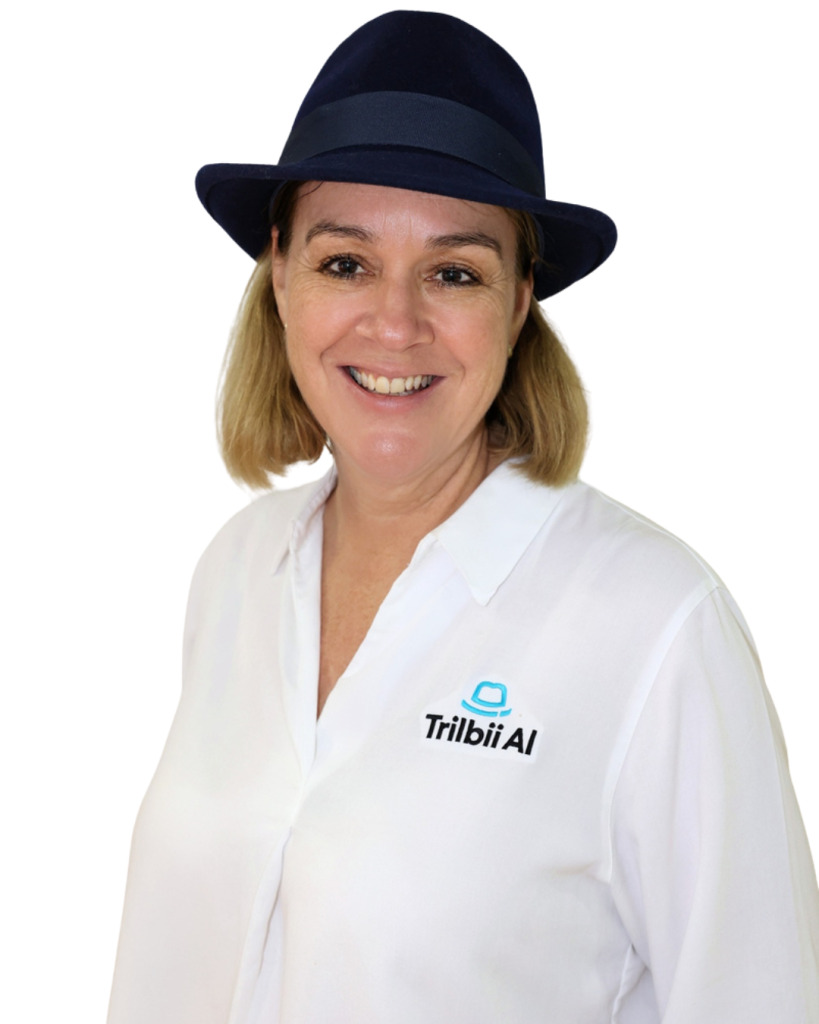
They have to wear all of these hats. But they don’t have the skills. They don’t have the training.
Carolyn S Dean, Trilbii AI
From an interview with Carolyn S Dean, founder of Trilbii AI, on the Trilbii Story channel.