The Australian Society of Dental AI held its 2026 AI Summit in Sydney on Saturday 20 June, with Trilbii AI as a sponsor. Two afternoon talks approached AI from opposite ends: one from the data that sits inside every practice management system, and one from a dentist building his practice’s brand with AI tools. Together they gave a useful picture of what makes AI work in a practice.
Your data decides what AI can do
The first talk came from a practice management software leader, and the message was direct: there is a gap between what AI is marketed to do in dentistry and how it performs, and much of that gap comes from the data.
In one large sample of appointment records shared in the talk, only around 40 per cent had every field needed for uses such as capacity planning or predicting no shows. The reasons will be familiar to anyone who has worked in a practice:
- Workflows that grew over many years, some from before newer features such as standby lists existed
- The same field used for different things in different practices
- Free text notes and practice specific abbreviations
- Training passed from person to person until the original process drifts
Even definitions vary. Practices calculate treatment plan acceptance and recall effectiveness in different ways, so the same number can mean different things.
The consequence is that an AI model predicting no shows or churn will still produce an answer from incomplete data. It just may not be a reliable one, and it won’t tell you. Models also drift as recording habits change, so they need monitoring.
What the talk asked practices to do
- Treat data quality as part of clinical governance, with the same seriousness as infection control
- Choose structured fields over free text wherever possible
- Ask your software vendor which fields are mandatory, which are standardised and how data quality can be measured
- Expect it to take at least a couple of recall cycles to build up data good enough for reliable models
Building a practice brand with agentic AI
The second talk came from a general dentist who used AI tools to build the brand for his wife’s practice, and he was clear that he is an enthusiast, not a specialist. He described the work in stages: first the brand foundations (story, mission, audience, colours, typography and tone of voice), then the channels (website, blog, newsletter and social media), with AI filling those channels consistently.
The detail I liked most was the newsletter. It was drafted automatically, then saved to a drafts folder for a person to review and send. Every piece still passed a human before reaching patients.
What connects the two
Both speakers landed in the same place. AI is only as good as what you give it. In the first talk, that is clean, consistent practice data. In the second, it is a clear brand and tone of voice defined before any content is produced.
It is the same principle behind how we set up Trilbii. Each practice starts with its own approved clinical content, voice and documents, and a person reviews anything a patient will see.
Thank you to ASDA for bringing together such a practical program.
About the author
Carolyn S Dean is the Founder and CEO of Trilbii AI, with more than 20 years in marketing, the last decade specialising in dental and healthcare. She has worked with more than 500 practices across Australia and New Zealand and is the author of Fully Booked: Dental Marketing Secrets for a Full Appointment Book.
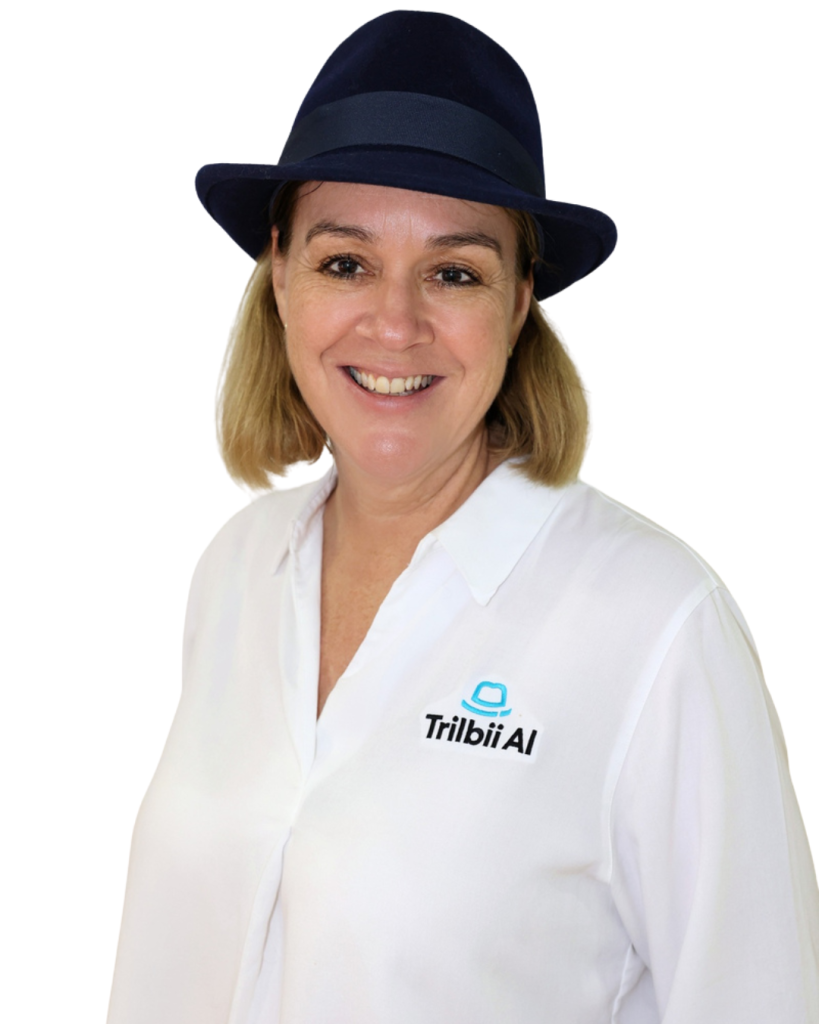
AI is only as good as what you give it. Clean data and a clear voice come first.
Carolyn S Dean, Founder and CEO, Trilbii AI
From the ASDA AI Summit, Sydney, 20 June 2026.