The 2026 ADAVB Convention and Exhibition, Beyond the Bite: Truth, Trends and Tomorrow’s Tech, ran at the Melbourne Convention and Exhibition Centre on 18 and 19 September. I presented a session on the Friday afternoon and spent the rest of both days on the Centaur Software stand, showing practice teams what AI can do for the non clinical side of practice life.
The session: from overwhelmed to in control
Practices are being asked to do more than ever: more marketing, more documentation, more advertising requirements, more systems and more patient communication. There aren’t more hours in the day. So the session was never about adding another piece of technology to an already busy practice. It was about using AI to make that list shorter.
We worked through where AI can practically help today:
- Marketing and content, drafted in the practice’s own voice
- Practice operations and administration
- Policies, procedures and documentation
- Patient communication
- Advertising guardrails and checking content before it is published
- The repetitive tasks that take up time every week
Just as importantly, we covered where AI should not be used. Clinical judgement, relationships and professional accountability stay with people, and anything a patient will read needs a person to review it first.
What practice teams asked on the stand
“I’m a living, breathing Google Drive”
One practice manager told me she answers five to ten of the same questions every day. Most practices have procedures written down somewhere, in a folder or on a shared drive, and the team rarely looks them up. When those manuals are loaded into a tool the team can ask in plain language, the answer comes from the practice’s own documents, with the source shown. If the manuals don’t cover a question, the tool says so, which also shows where the gaps are.
“Will everyone’s content sound the same?”
Generic AI does tend to produce generic content. The difference comes from what the tool is given. A practice’s own website, treatments, team bios, Google reviews and tone of voice make its content distinct, and approved clinical content keeps it accurate.
“How is my website going against the advertising rules?”
We ran live checks on practice websites throughout the two days. The wording that came up most often for review was:
- Testimonials about clinical outcomes
- Asking patients for reviews on the website
- Claims such as “achieve the confident smile you’ve always wanted”, which link treatment to psychological benefit
- “Transform your smile”, where “Veneers can change the appearance of your teeth” is clearer
- Specials and complimentary consultations without clear terms
- Missing practitioner registration numbers
Most of these are simple to fix once someone notices them. The Ahpra advertising guidelines and our plain English guide to the AHPRA advertising rules for dental practices are good places to start.
“Is this for patients?”
Trilbii is for the practice team: marketing, operations and AHPRA advertising compliance. It sits behind the scenes so the team has more time for the patients in front of them.
Missed the session?
If you couldn’t make it, you can request the slides here.
Thank you to the ADAVB team for a well run convention, to Centaur Software for hosting us on the stand, and to everyone who stopped by with questions.
About the author
Carolyn S Dean is the Founder and CEO of Trilbii AI, with more than 20 years in marketing, the last decade specialising in dental and healthcare. She has worked with more than 500 practices across Australia and New Zealand and is the author of Fully Booked: Dental Marketing Secrets for a Full Appointment Book.
Sources
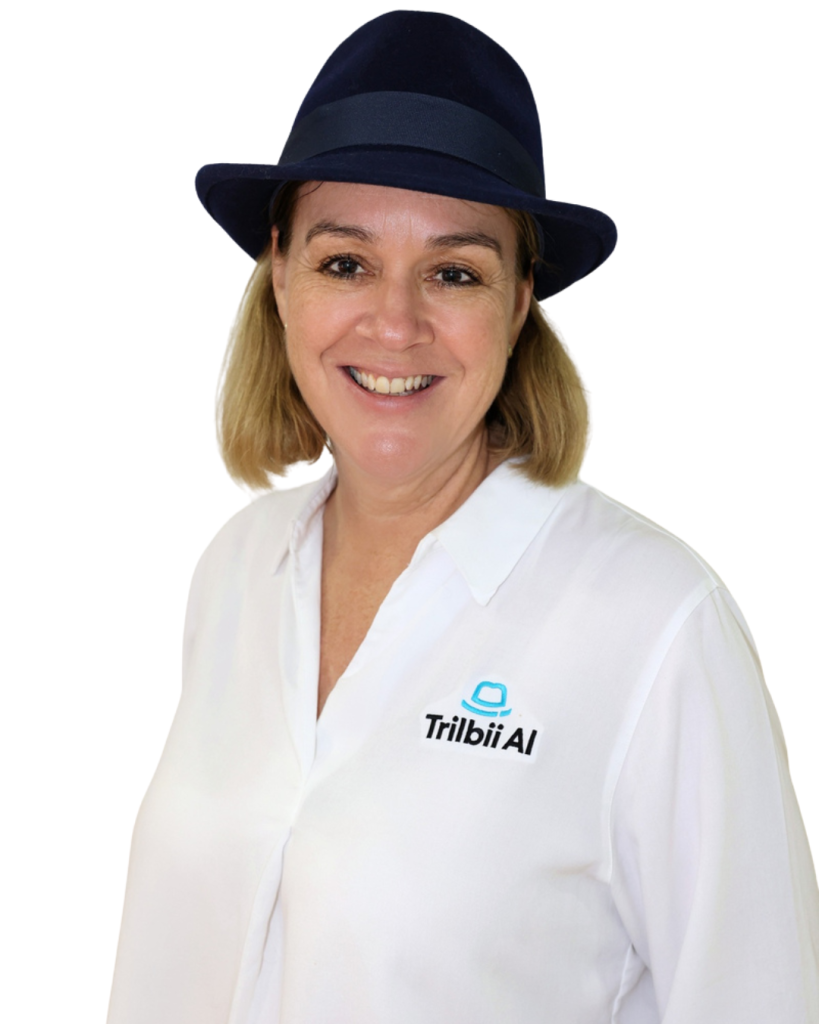
There aren’t more hours in the day, so the right use of AI is the one that makes the list shorter.
Carolyn S Dean, Founder and CEO, Trilbii AI
From the 2026 ADAVB Convention and Exhibition, Melbourne, 18 to 19 September 2026.