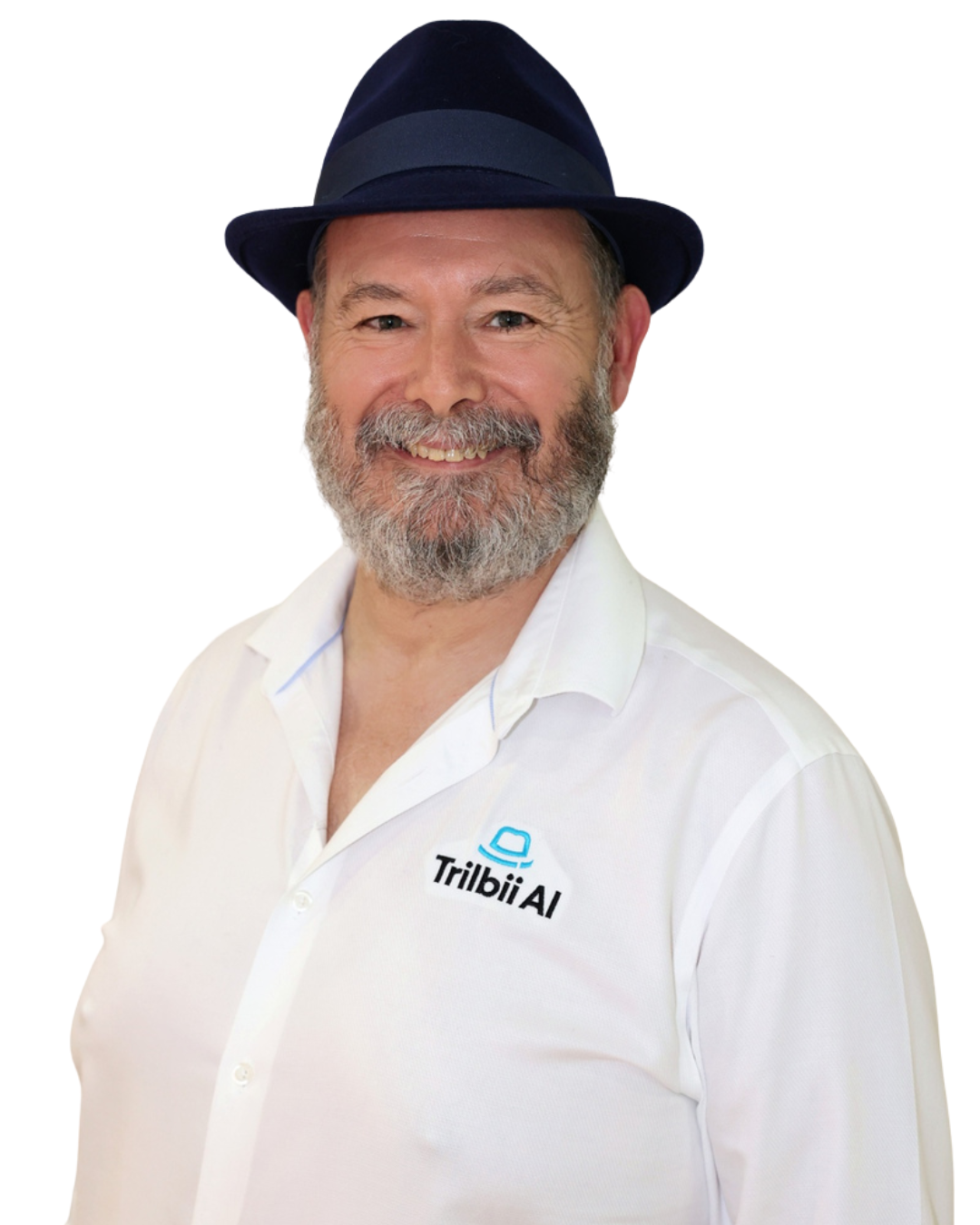
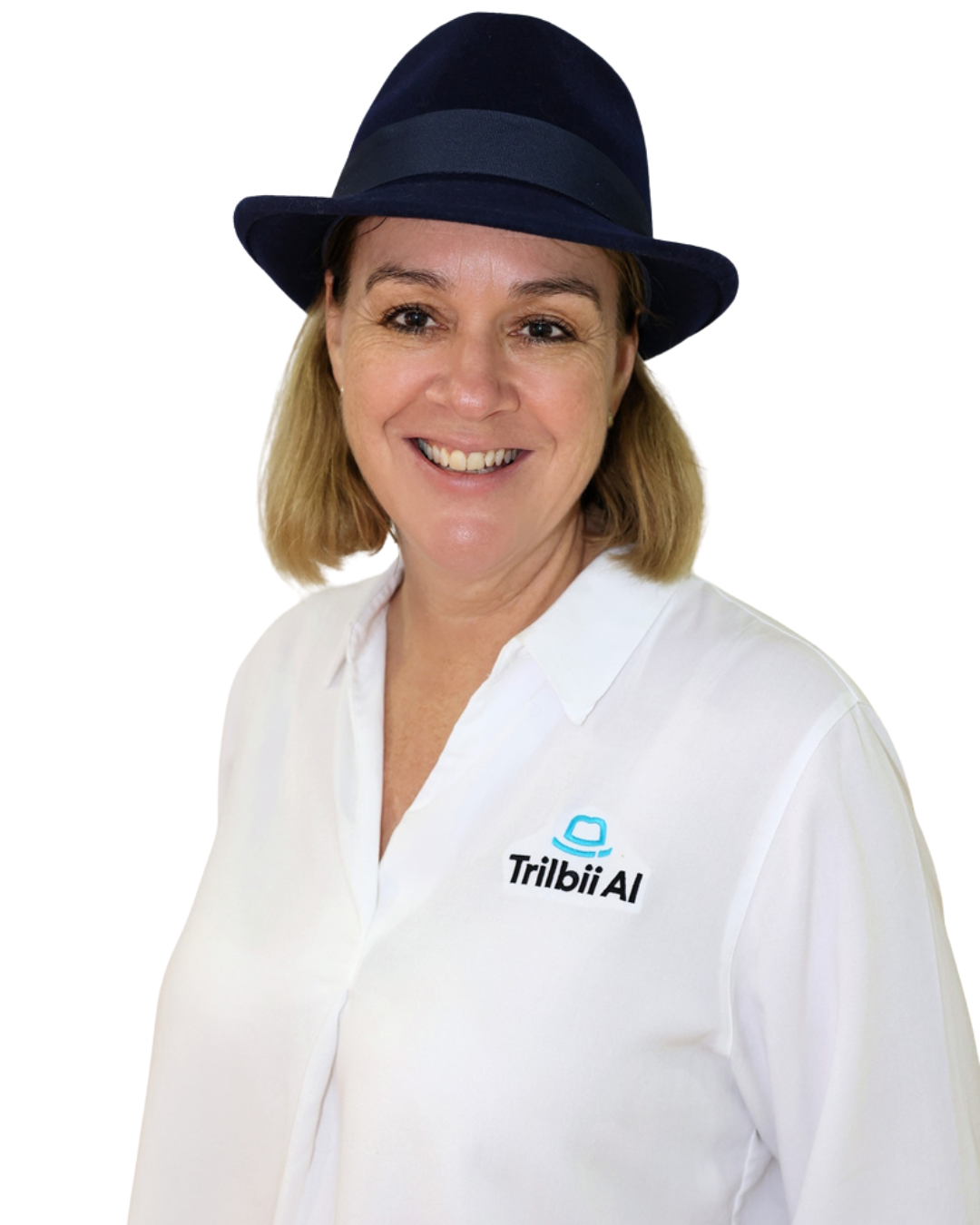
Sean Perera has spent his entire professional career in Australian dentistry and now runs technology for the company with the largest install base in the country. His argument is that most dental AI decisions are made backwards, and that the tool which performs in a demonstration is rarely the tool that survives a Monday morning. This is the most practical episode in the series for anyone about to sign something.
Why did Centaur wait two years before building AI?
Centaur deliberately did almost nothing on AI for around two years. They resisted partnering and resisted building, because generative AI was changing overnight and anything committed to early would have been obsolete before it shipped. They are now building native AI, and Sean says he is glad they waited. His observation about the market is that almost everything now claims to be AI powered, and that real AI is considerably harder than the claim suggests.
He is also candid that the industry misread the sequence. Everyone expected clinical AI to move first. Outside diagnostic imaging, it did not, until scribing took off, which is really an administrative tool because the clinician stays in charge. Traditional clinicians feared AI would either find fault in their work or replace them, and many changed their view once it became clear the clinician remains the decision maker.
The build strategy follows from that. Rather than separate modules, Centaur is finding places in the existing system where AI improves the experience. In Sean’s words, they wanted to give users “something that adapts to the way they work.” They will not pick one AI vendor and push customers onto it, preferring an integration layer where the practice chooses.
What should you ask an AI provider before signing?
This is the section to send to whoever signs your contracts. Four questions, all of which should be answered in writing.
Where is my data going and where does it live. How does it transit. Do you use my data to train your models. And how long do you retain my data if I leave. On that last one, Sean has seen clauses stating data is retained indefinitely unless the customer specifically requests otherwise.
Centaur runs security risk analysis and questionnaires on integrators, and he is careful about the limit of that protection: once an integrator extracts the data, the processor role becomes theirs. They plan to pursue ISO 42001 certification, the management system standard covering artificial intelligence risk, bias and consent. He notes himself that he is not certain of the year designation on the standard, so treat that detail as one to verify.
He expects the term “dental AI consultant” to become an actual profession. He also expects a few significant breaches and landmark rulings before the industry settles, comparing it to early driverless vehicle incidents, along with practices being sued and finding their insurance may not cover AI at all.
Carolyn adds a story that belongs here. At an ADX talk she explained that before and after images must be true and consented. AI developers in the audience asked whether that ruled out AI generated before and afters, because they were building exactly that. Her answer was no. The practice using such a tool carries the breach, not the vendor.
What are the two tests before buying any AI tool?
Sean’s rule of thumb is that around twenty percent of a practice’s administrative work can be automated or AI assisted straight away, which is a useful and unglamorous number to plan against. His framing is that AI should be needs driven rather than innovation driven, and that most people hear dental AI and picture clinical applications when the burden is actually administrative.
Two tests follow. If you cannot write down on paper what problem you are trying to solve, do not buy AI. And if you or your staff cannot spend two hours a week reviewing whether it is working, do not buy AI.
His summary of the market is the line worth remembering: there are two types of AI tools, and the second is “the one that survives the Monday morning chaos at your practice.”
Both he and Carolyn compare current behaviour to online bookings in the late 1990s, when practices wanted them mainly because the practice down the road had them. Carolyn’s counterexample is the correct version of the same decision: she pushed online bookings hard because a mother working full time and booking her family in at half past five genuinely needs them. That is a problem statement. A Queensland practice running a mouthguard campaign at a patient base of empty nesters aged fifty five and over is not.
Can AI fix a broken workflow?
No, and this is the best exchange in the interview. Sean’s position is that if your workflows are broken, AI amplifies the broken workflow more efficiently. Carolyn agrees the root cause is always human, and describes tracking that logs the questions staff are asking, identifies what is missing from the knowledge base and reports repetition back as evidence of a workflow that does not exist.
Sean’s illustration is the story to remember. Centaur’s first AI feature predicts the likelihood a patient turns up. His machine learning engineer reported one practice with zero cancellations across three years, which Sean knew was impossible. The practice had created a separate appointment column called cancellations and dragged bookings into it, so they could drag them back if the patient rebooked. Entirely sensible for them, and it made three years of data worthless for any purpose beyond that.
His conclusion is that it always starts and ends with the people. Practice owners at ADX kept telling him to go and talk to the practice manager and the receptionist, because an owner can buy anything, and if the team does not use it there is no point.
Key takeaways
- Around twenty percent of a practice’s administrative work can be automated or AI assisted immediately, according to Sean’s rule of thumb.
- Four questions to ask any provider: where the data lives, how it transits, whether it trains their models, and how long it is retained after you leave.
- Retention clauses keeping data indefinitely unless the customer objects do exist, so read the contract rather than the marketing page.
- Two tests before buying: write the problem down on paper, and commit two hours a week to reviewing whether the tool is working.
- Centaur receives three to four AI receptionist integration requests a month, and Sean’s view is that voice AI belongs in overflow, after hours and follow up rather than as the front door.
- Broken workflows are amplified rather than fixed by AI, illustrated by a practice that logged zero cancellations for three years by dragging them into a separate column.
Frequently asked questions
What questions should a dental practice ask an AI vendor before signing?
Four, in writing. Where is my data stored and where does it travel. Do you use my data to train your models. How long do you retain my data if I cancel. And what security certifications do you hold. Sean Perera of Centaur Software notes that some contracts retain customer data indefinitely unless the customer specifically requests otherwise, which is easy to miss at signing.
How much dental practice admin can realistically be automated?
Sean Perera’s rule of thumb is about twenty percent straight off the top, meaning the repetitive administrative work that does not require judgement. That is a planning figure rather than a guarantee, and it assumes the practice’s underlying workflows are sound. His broader point is that most people picture clinical applications when they hear dental AI, while the real burden sits in administration.
Will AI fix a broken practice workflow?
No. Sean Perera’s position is that AI amplifies a broken workflow rather than repairing it, executing the wrong process faster. He gives the example of a practice recording zero cancellations across three years because staff dragged cancelled appointments into a separate column, making the data useless. Fix the process and the data first, then decide whether automation adds anything.
Should a dental practice use AI to answer calls?
Sean Perera receives three to four AI receptionist integration requests a month and remains cautious. His view is that voice AI genuinely belongs in overflow, after hours and weekend coverage, and as a safety net for checking on patients after complicated procedures. He does not think it should be the front door, and notes some clinicians are commissioning unregulated overseas built versions.
What is the 90 day rule for new practice software?
It is Carolyn S Dean’s test for whether an implementation has worked. If a tool has not done what it promised within 90 days, it is not going to. The point is to set the review date at purchase rather than allowing an underperforming subscription to continue by default. It pairs with Sean Perera’s advice to commit two hours a week to checking results.
About the guest
Sean Perera is chief technology officer at Centaur Software, the company behind Dental4Windows and Dental4Web. He entered the Australian dental industry in 2004 straight out of university, working first for a competitor and then in corporate dental organisations, and joined Centaur five years ago as product manager, becoming head of product and then chief technology officer. His entire professional career has been spent in dentistry. This conversation was recorded after ADX 2026 with Macquarie University students present.
Related episodes
- Privacy, compliance and who carries the risk, the shorter ADX interview with Michael Sokol and Sean Perera
- Three places AI already sits inside practice software, with Mark Burns of Core Practice
- What the triple check catches, with Anthony Middlemiss
Links
- Centaur Software: https://centaursoftware.com.au/
- Trilbii AI: https://trilbii.ai/
- Carolyn S Dean: https://carolynsdean.com/
- Carolyn on LinkedIn: https://www.linkedin.com/in/carolyndean/
Watch it again
The full conversation is on YouTube: watch it here.
From the AI Your Practice podcast with Carolyn S Dean.