Start with the jobs that are written, repetitive and read by a person before they go anywhere: social posts, Google review replies, client handouts and the practice manual. Keep AI away from client records and anything clinical until the tool you use can say clearly where that information goes. That order puts the time saving where the backlog usually sits.
The question usually comes from the practice manager or the owner, because the Facebook page, the review replies and the nurse induction notes tend to land on them between consults and after close. The useful answer is a short list in a sensible order, with a firm line around client information. It is one part of a wider look at how AI fits into a vet practice.
Why does the first job matter so much?
The first job you hand to AI decides whether the team trusts it. Choose something visible, low risk and overdue, and the clinic sees a result within a week or two. Choose something clinical, or something that draws on the client record, and the first conversation is about privacy and liability rather than about the work itself.
A good first job also teaches the team how to review AI output. Reading a drafted social post and fixing the tone is a low stakes way to learn what the tool does well and where it needs a human eye. That habit carries over to every job you add later.
What makes an admin job a good first candidate?
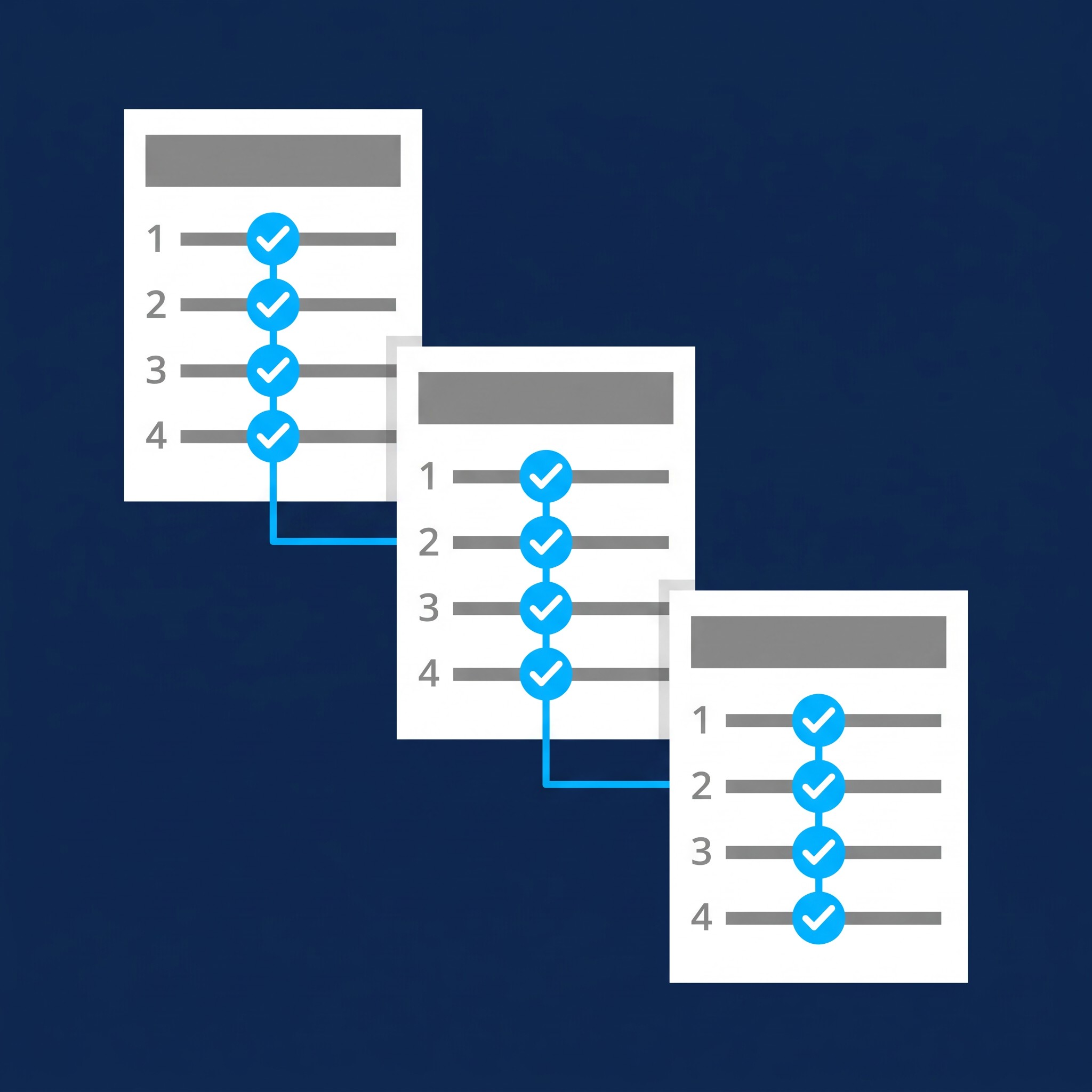
An admin job is a good first candidate when it passes four tests.
- It is written. AI is strongest at producing a first draft of text, so a job that ends in words (a post, a reply, a handout, a procedure) gets the most from it.
- It is repetitive. If the clinic does it every week or every month, the time saved adds up. A job done once a year is rarely worth setting up.
- Someone reviews it before it goes anywhere. A person who knows the clinic reads every draft before it is published or handed to a client. That review step is what makes an imperfect first draft cheap to fix.
- It needs no client or patient information to do well. A post about keeping dogs cool in summer needs no names. A reminder about a particular cat’s dental check does.
The fourth test deserves a closer look in a vet clinic. The patient is an animal, but the client is a person, and the record that links them holds a name, an address, a phone number and a payment history. The Office of the Australian Information Commissioner treats any information that could identify an individual as personal information (OAIC: what is personal information), so a pet’s record is rarely free of it. Jobs that pass all four tests are where to start.
Which four jobs do most vet clinics hand over first?
Social media posts
Social media is usually where the backlog is. Most clinics know they should post a few times a week, and many manage a few times a month, because every post starts from a blank page. A drafted post removes that blank page. The team still chooses the topic, checks the facts and decides whether it goes out.
Seasonal topics are a natural fit, because the clinic already knows what is coming. On the east coast, for example, paralysis ticks are found from North Queensland down to Victoria and the season can start early after a mild winter (RSPCA Knowledgebase on tick paralysis). A clinic that drafts its tick season posts in August is ready when the first cases come through the door.
Google review replies
Every review deserves a reply, and many sit unanswered because a good one takes time and care. Google describes helpful replies as a way to show customers the business is responsive (Google: manage customer reviews). A drafted reply, read and adjusted by someone who knows the client, turns a ten minute job into a two minute one.
Review replies are public, so the review step matters. A reply should not confirm clinical details or reveal anything about the client or their pet, and it should stay accurate about the clinic’s own services. Veterinary boards expect advertising to be honest and not misleading; Victoria’s board, for example, sets out what that means for testimonials and comparisons (Veterinary Practitioners Registration Board of Victoria, Guideline 4).
Client handouts and website pages
Handouts are the job that often gets done on a Friday afternoon by whoever is free. Post surgery care sheets, new puppy and kitten guides, and pages explaining what happens at a dental procedure all follow a pattern the clinic already uses. A draft built from the clinic’s own protocols means the vet starts by correcting a page.
The vet stays responsible for the clinical content. The draft saves the typing and the formatting; the vet checks every instruction a client will follow at home before the handout is printed or published.
The practice manual
Every clinic has procedures, some in a folder, some in an old document and some in the head of the nurse who has been there longest. Reception scripts, opening and closing checklists, stock ordering and nurse induction steps are all written jobs, and the raw material already exists. Turning it into a set of procedures the team can search is a job AI handles well.
The owner or practice manager signs off each procedure. The benefit shows up when a new team member can find the answer without interrupting someone mid consult.
Which jobs should wait?
Two kinds of job should wait, for different reasons.
Anything that uses client information waits until you can answer one question: where does the information go, and is it used to train the model? The OAIC’s guidance is direct: do not enter personal information, and particularly sensitive information, into publicly available generative AI tools, because it is very difficult to control once it is there (OAIC guidance on privacy and commercially available AI products). Vaccination reminders built from the client list, overdue account follow ups and anything drawn from the practice software belong in this group.
Some clinics assume the Privacy Act does not reach them. The OAIC describes a small business as one with an annual turnover of $3 million or less, and many small businesses are not covered, but there are exceptions and some businesses opt in (OAIC: small business). Check your own position. Whatever it turns out to be, clients hand over their details on trust, and treating them with the same care as a covered business is a sound default.
Anything clinical waits as well, as far as this article is concerned. Diagnosis, treatment plans, drug doses and clinical notes rest on a vet’s judgement, and state boards hold the veterinarian responsible for them. They are a separate conversation from the admin jobs a practice manager is trying to clear.
How will you know it is working?
Look at two things after a month.
The first is time. Ask the practice manager, or whoever carries the marketing, how many hours they got back, in their own estimate. Treat that as time returned to clients, the team and running the clinic.
The second is whether the job is actually being done. Posts going out every week, reviews answered within a few days, handouts current and the manual easy to search. If a job was sliding before and is happening now, the tool has earned its place.
What should you do this week?
Pick the job that has sat at the bottom of the list the longest. Name one person who reads every draft before it goes anywhere. Run that single job for four weeks before adding a second, and keep client information out of it until the privacy question is answered.
Trilbii was built in dental, where it drafts exactly these jobs for Australian practices with a review step for the team, and the same marketing and operations tools do the same work in a vet clinic. Read more about AI for vet practices, or book a demo to see how it would fit your clinic.
Frequently asked questions
For jobs that need no client information, such as drafting a post about heatstroke in summer, a general chat tool can be used with a review step. For anything involving client details, the OAIC advises against entering personal information into publicly available AI tools. Use a tool that states where the data goes and whether it is used to train the model.
It depends on the business. The OAIC describes a small business as one with an annual turnover of $3 million or less, and many are not covered, though exceptions apply and a business can opt in. Check the OAIC’s small business guidance for your own clinic.
For many clinics it is social media, because it is the most frequent job and the one most often left undone. Review replies and client handouts are close behind.
The practice manager usually runs the process day to day. A vet checks anything with clinical content, such as a post surgery care sheet, and the owner signs off procedures in the practice manual.
Sources
- Guidance on privacy and the use of commercially available AI products, Office of the Australian Information Commissioner
- Small business, Office of the Australian Information Commissioner
- What is personal information, Office of the Australian Information Commissioner
- Guideline 4: Communication, Veterinary Practitioners Registration Board of Victoria
- Manage customer reviews, Google Business Profile Help
- How can I protect my dog or cat from tick paralysis?, RSPCA Knowledgebase
Last reviewed 6 October 2026.
Read next: AI for vet practices | How to tell whether an AI writing tool is safe for your practice | AI for healthcare practices
A good first job teaches the team how to review AI output, and that habit carries over to every job added later.
Four jobs to start with
- Social media posts
- Google review replies
- Client handouts and website pages
- The practice manual
Each one is written, repetitive, reviewed before it goes anywhere, and needs no client or patient information.